
North Rim of the Grand Canyon Must See Spots & Things to Do
The Lesser Known, Tranquil Side of Things

Cape Royal, North Rim, Grand Canyon
The Grand Canyon evokes a sense of awe with its endless expanses of red sandstone vistas and breathtaking panoramic views . There is truly nothing like seeing it in person.
Most visitors flock the South Rim because of its easy access year-round and for its unobstructed views. However, if you are searching for solitude and serenity, the North Rim might just be the perfect spot for you.
The North Rim of the Grand Canyon rises above the canyon floor over 8,000 feet, almost a 1,000 feet higher than South Rim, in the remote stretches of the park. It’s the perfect spot to escape the crowds and get lost in the deafening sound of silence as you find yourself standing at the edge of the world looking out over the abyss.
This guide will take you through everything you need to know when visiting the North Rim including the best things to do and insider tips for visiting.
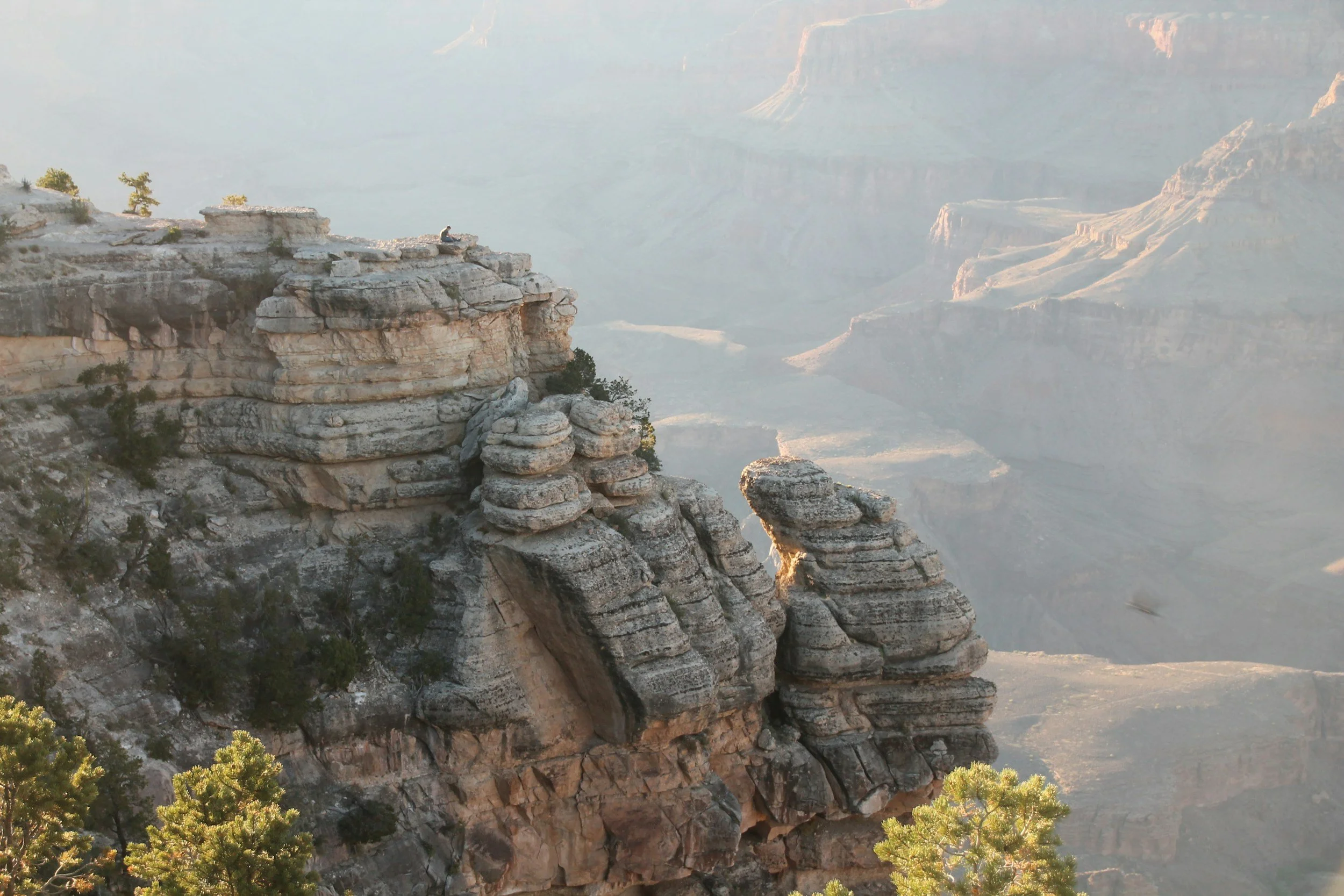
👉 Heading to the South Rim? Don’t miss my complete guide + must-see spots for the Grand Canyon’s South Rim.
🔥 2026 North Rim Update
The North Rim has reopened for the 2026 season, but your visit may look different than mine. Following the 2025 Dragon Bravo Fire, recovery efforts are still underway. While many of the North Rim's iconic scenic drives, overlooks, and hiking opportunities have reopened, some trails, visitor services, and facilities remain unavailable—including the historic Grand Canyon Lodge, which was destroyed in the fire. Before your visit, I recommend checking the National Park Service's latest North Rim status updates for current conditions
👉 Check the National Park Service website for the latest updates before planning your trip.
Trails that remain closed as of July 2026:
Bright Angel Point Trail
Widforss Trail
Transept Trail
Ken Patrick Trail (west) between the North Kaibab Trailhead and Cape Royal Road
Uncle Jim Trail
✨ Author Note: This guide reflects my personal visit before the 2025 Dragon Bravo Fire, with updates added as the North Rim recovery continues.
Table of Contents
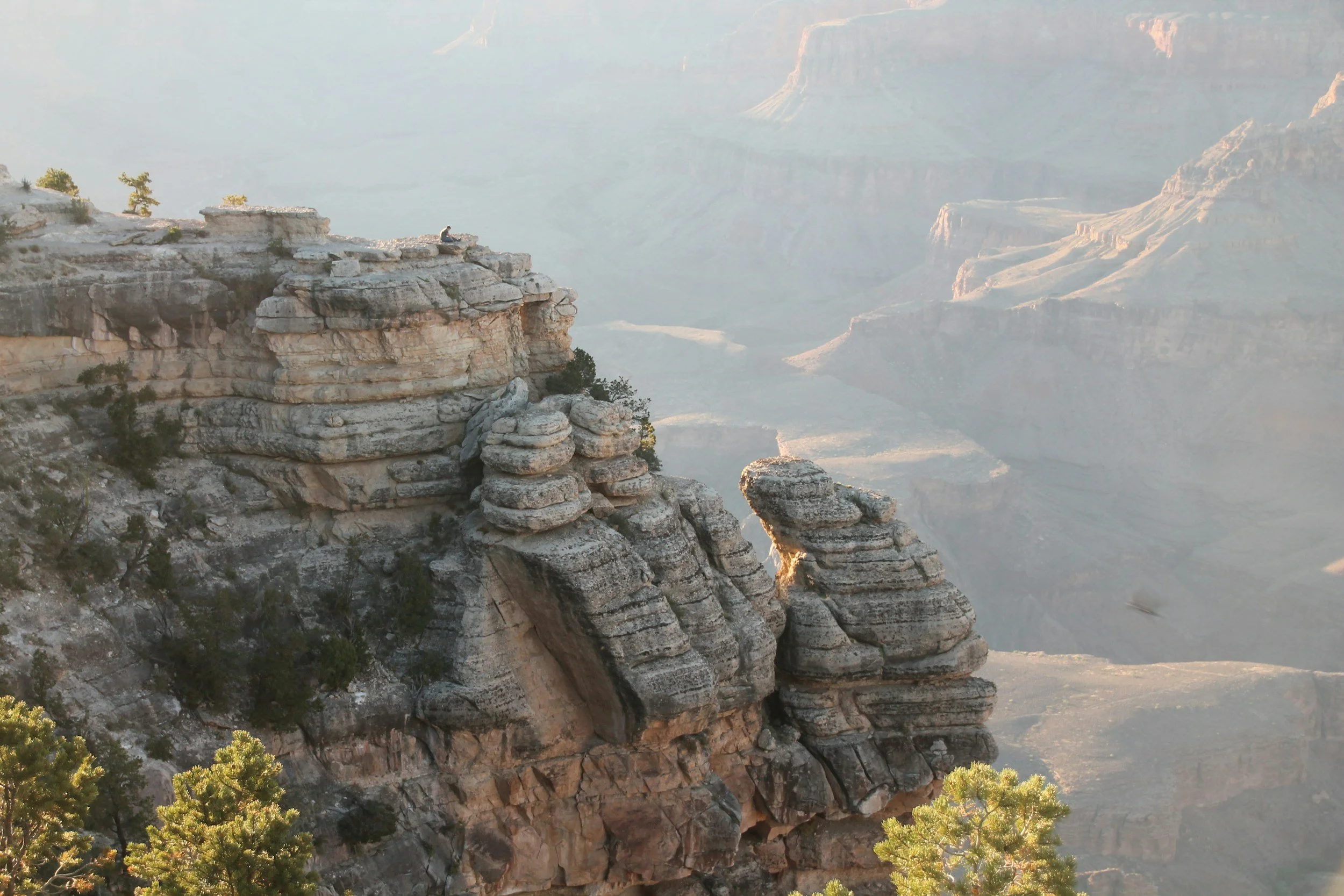
Best Things to Do at the North Rim of the Grand Canyon
North Rim Scenic Drive (Best Stops + Views)
Compared to the South Rim, the North Rim Scenic Drive is definitely the road less traveled. The winding scenic drive takes you along stretches of road to two popular viewpoints and several pullouts with sweeping panoramic views. Two must see spots along the way are Point Imperial and Cape Royal.
Point Imperial
Point Imperial is the highest point on the rim at 8,803 feet in elevation and overlooks the Painted Desert with its contrasting shades of crimson red and black on the eastern edge of the canyon.
Cape Royal
Cape Royal is the southernmost viewpoint on the North Rim that offers an incredible view of endless vistas.

The Cape Royal trail is a 1 mile out-and-back and leads to the area above Angels Window, a natural arch in the cream-colored Kaibab limestone that perfectly frames a small section of the Colorado River down below.
Given its location, it’s the perfect spot for both sunrise and sunset so it actually can get crowded. Note that vehicles over 30 feet are not recommended on the roads to Point Imperial and Cape Royal.
Roosevelt Viewpoint and Walhalla Overlook

The North Rim Scenic Drive also takes you to Roosevelt Viewpoint and Walhalla Overlook for more incredible views.
Bright Angel Point Viewpoint
🔥 2026 Update: Bright Angel Point Trail remains closed following the 2025 Dragon Bravo Fire. The trail sustained significant damage and has not yet reopened. I'll update this guide as soon as the National Park Service announces its reopening. Check the National Park Service website for the latest updates before planning your trip.
Before the 2025 Dragon Bravo Fire, Bright Angel Point was one of the North Rim's most iconic viewpoints. Located near the Grand Canyon Lodge, a short paved trail led visitors to spectacular views overlooking Bright Angel Canyon and Roaring Springs.
The trail was 0.5 miles round-trip with a few steep spots and drop-offs, and included some stairs and a few narrow, exposed areas. I'll update this guide as soon as the trail reopens.
North Kaibab Trail & Roaring Springs
Roaring Springs is a rushing cascade of water flowing down the canyon walls into the Colorado River below.

The only way to see it is an arduous hike down the North Kaibab Trail.
Although the trail is well-maintained, the hike is quite strenuous, taking almost 5 miles to get there. The good news is that once you reach it, it’s the perfect spot to cool off by taking a refreshing dip in the fresh mountain water. The water here is so clean and pristine that it’s the source for the Grand Canyon’s free water bottle filling stations.
North Rim Mule Rides: What to Expect
🔥 2026 Update: Due to ongoing recovery from the 2025 Dragon Bravo Fire, North Rim mule rides are not operating during the 2026 season. Although the North Kaibab Trail has reopened for hikers, stock use has been suspended while trail rehabilitation continues. Check the National Park Service website for the latest updates before planning your trip.
✨ Pro Tip: When mule rides resume, reservations are expected to book well in advance—especially during the busy summer season.
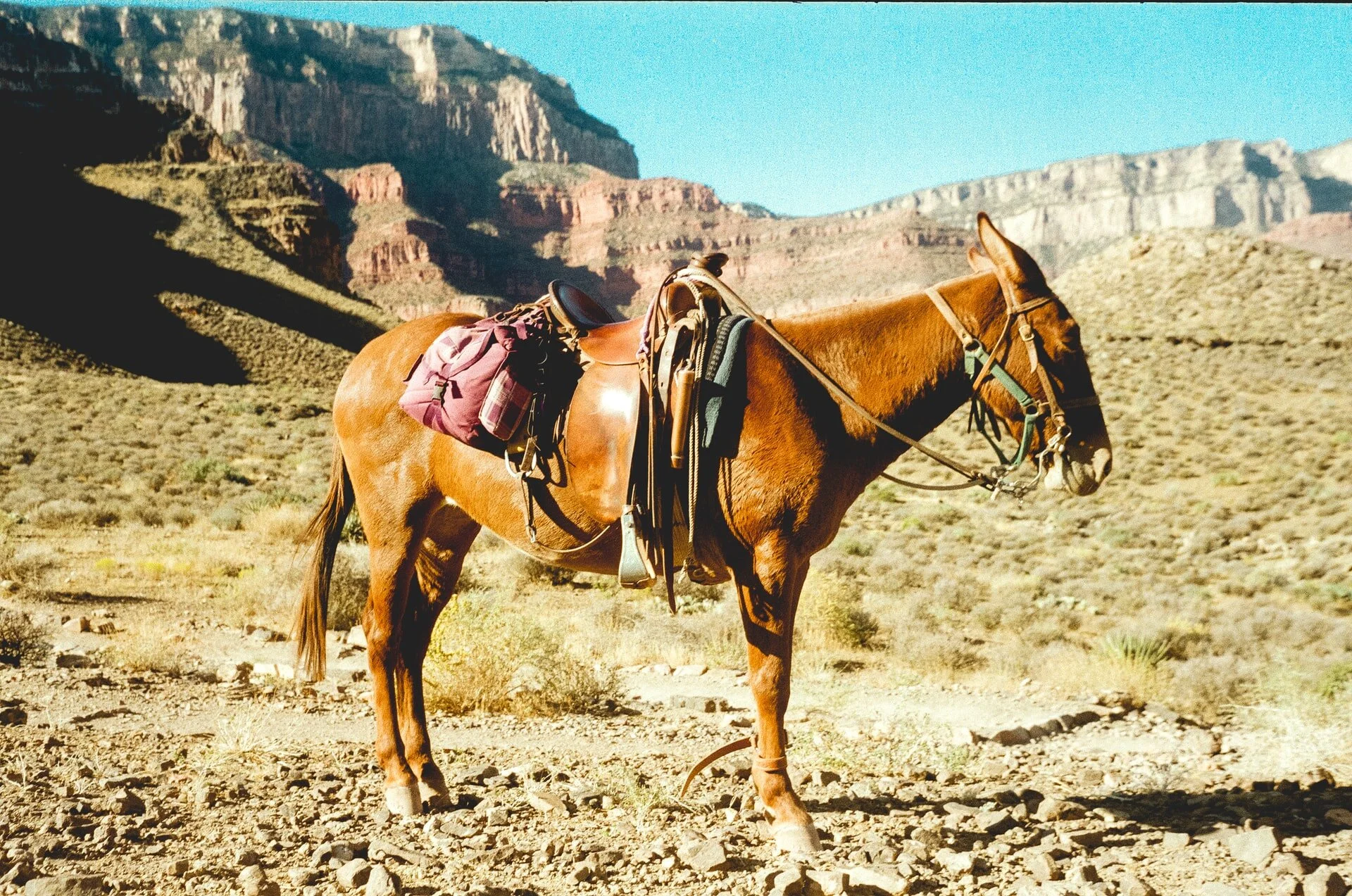
When North Rim mule rides resume, visitors will once again be able to experience the Grand Canyon from a completely different perspective by descending into the canyon on a guided mule ride. These sure-footed animals have been carrying visitors along the steep canyon trails since the 1880s, including famous riders like President Theodore Roosevelt.
Ride options have traditionally ranged from 1 to 3 hours, depending on the route and season. Along the way, you’ll travel narrow trails with incredible canyon views, pass through juniper and pine forests, and get a closer look at the canyon’s rugged terrain than you would from the rim.
Keep in mind that riders must meet weight and height requirements, and reservations often book up well in advance—especially during peak summer months. While no prior riding experience is needed, you should be comfortable with heights and uneven terrain.
Tips for Visiting the North Rim of the Grand Canyon
Entrance fees to Grand Canyon National Park are valid for 7 days and include both the North Rim and South Rim. The 2026 fee for a standard entrance pass is $20–$35.
Non-US residents (16 & over) must pay an additional $100 per person fee unless admitted with an Annual or America the Beautiful Pass.
You can now buy digital passes online in advance at recreation.gov.
The North Rim is typically only open to vehicles from May 15th through October 15th due to winter road closures. This area has been known to get as much as 23 feet of snow in a single year.

During the off-season, cross-country skiers and backpackers can still enter the park with a valid backcountry permit.
The North Rim is the the coolest, wettest location in the park with an average of 25.8” of moisture each year. Spring and early summer are the driest times of year. Be sure to check the forecast before visiting so you can be prepared.
The elevation of the North Rim is over 8,000 feet above sea level. If you have heart or respiratory problems, you may have difficulty. Walking at this elevation can be strenuous even if you are in great physical health.
Distances can be hard to gauge and deceiving here. Be sure to bring plenty of water and salty snacks on hikes.
North Rim FAQs
What does it cost to visit the North Rim of the Grand Canyon?
The 2026 fee for a standard entrance pass is $20–$35 which is valid for 7 days and covers both the North and South Rims. Non-US residents (16 & over) must pay an additional $100 per person fee. All America the Beautiful annual pass holders can enter at no cost.
Are there any fee-free days?
Yes! The National Park Service offers several fee-free days each year. For 2026, these include:
May 25 – Memorial Day
June 14 – Flag Day
July 3–5 – Independence Day weekend
August 25 – National Park Service Anniversary
September 17 – Constitution Day
October 27 – Theodore Roosevelt’s Birthday
November 11 – Veterans Day
Is the North Rim currently open?
Yes. The North Rim reopened for the 2026 season following the Dragon Bravo Fire, but some trails, facilities, and visitor services remain closed while recovery continues. Be sure to check the National Park Service website for the latest trail, facility, and visitor service updates before your trip.
Which is better: the North Rim or South Rim?
It depends on what you’re looking for. The North Rim is quieter, more remote, and has fewer crowds. The South Rim has more viewpoints, easier access, and is open year-round.
👉 Planning to visit both? Check out my full South Rim guide for must-see spots and tips.
How long should you spend at the North Rim?
Plan on spending at least 1–2 days exploring viewpoints, hiking trails, and scenic drives. If you plan to hike into the canyon, you may will probably want more time.
Do you need reservations for the North Rim?
You don’t need a reservation to enter, but lodging and camping book up quickly, especially in peak season (June–September).
Is the North Rim worth visiting?
Yes, absolutely especially if you are in search of solitude. It has fewer crowds, cooler temperatures, and a more peaceful experience than the crowded South Rim.
More Arizona Travel Guides

Grand Canyon - Running the Wild Colorado - The Ties that Bind the Grand Canyon River Rafting Community
Grand Canyon - “Brighty” the Burro - The Legend of Grand Canyon’s Most Spirited Wild Burro
Things to Do in Monument Valley - The Sacred Navajo Tribal Park
Monument Valley - Road Trippin’ Near Monument Valley (Horsehoe Bend, Antelope Valley, Valley of the Gods & More)
Off Grid Living in a Hogan - An Incredibly Rare Glimpse of Life Within the Mounument Valley Tribal Park
The Ultimate Sedona Itinerary - How to Spend 5 Days in Red Rock Country
Sunset Crater & Wupatki - Where Fire Meets Sandstone