Destinations
Use One Canal Photo Stop for a Deliberate Wide-and-Close Comparison
Give a canal photograph one clear subject, compare a small number of views and preserve the actual stop's context without turning the outing into a checklist.
In this guide
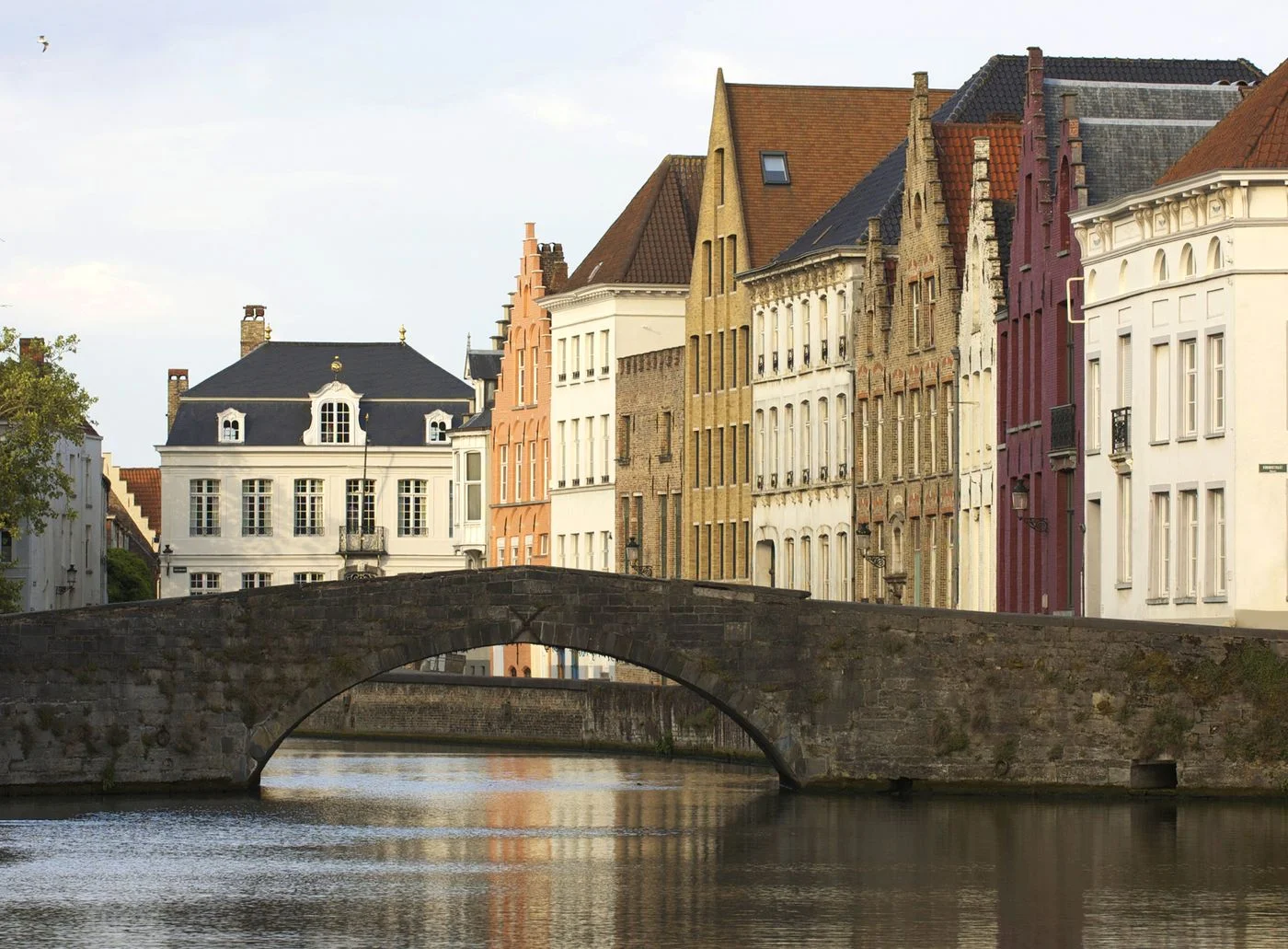
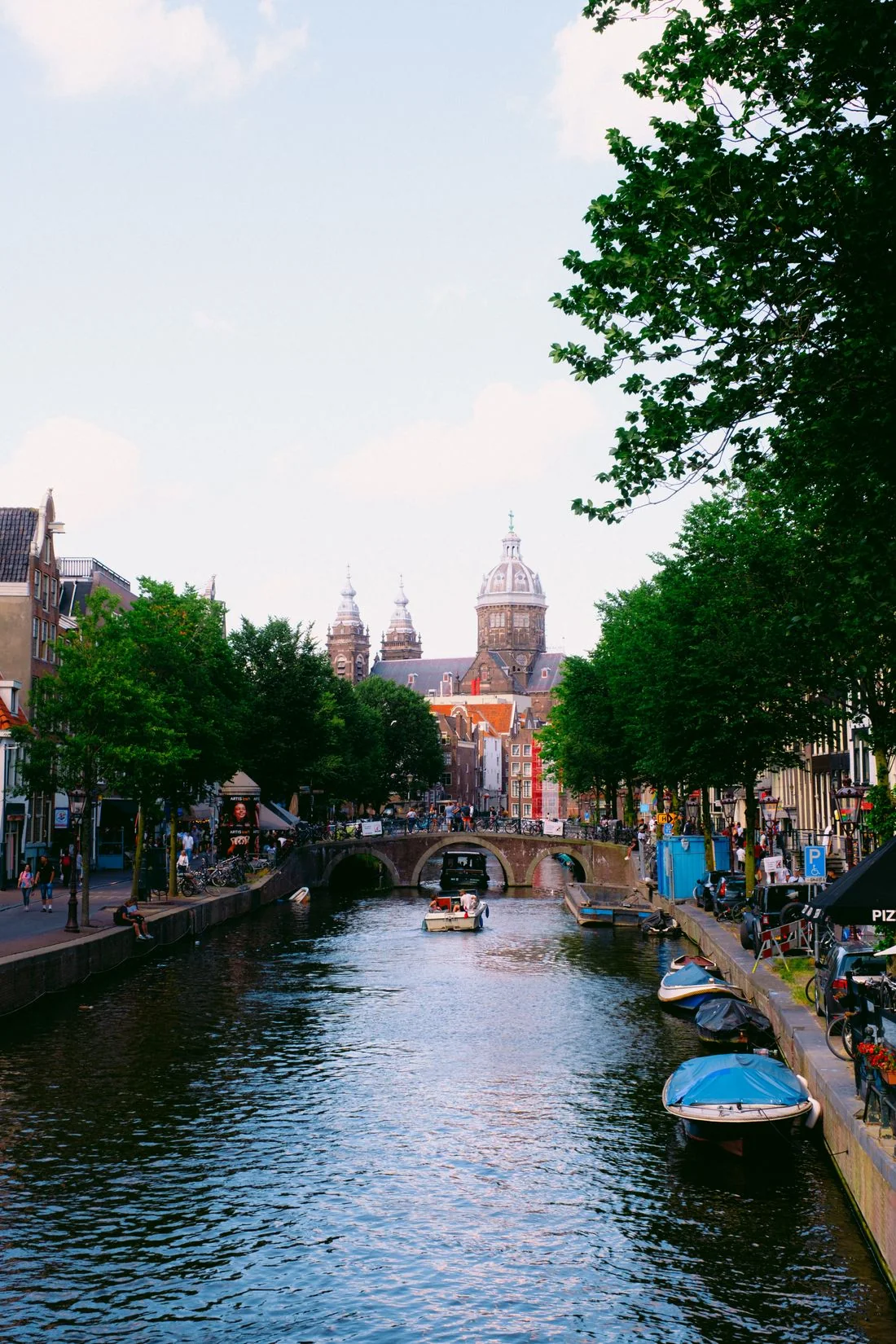
A canal-side photograph can be a useful exercise in choosing context. From an appropriate permitted position, a wider view may explain the setting while a closer frame reveals the detail that caught your attention. Compare the two deliberately rather than collecting several almost identical images simply because the water and buildings look attractive together.
Choose the subject before the frame
Decide what interests you: a reflection, a bridge shape, a relationship between buildings or another visible feature. Keep that idea specific enough to guide the comparison. A broad instruction to capture the canal leaves every object in the scene competing for equal attention.
The Strasbourg photo-pause guide offers related questions about a considerate stopping place. This comparison can happen in any suitable setting, but it should never require blocking a route or ignoring local signs and instructions to reproduce a preferred angle.
Make the contextual version
Include enough surroundings to explain the feature's relationship to the place. Look at the whole frame, including edges, reflections and other people who may become prominent. Adjust only within an appropriate position rather than stepping into an unsuitable area to remove a distraction.
Ask what the wider image actually communicates. It may explain the connection between a bridge and the water, or show why a detail belongs in this part of the outing. Do not add a caption claiming a named feature or access arrangement unless that information is reliably identified.
Make a closer version with a purpose
Choose the smaller section that best serves the original idea. The aim is a different visual emphasis, not simply a tighter crop of everything. Keep the equipment within its intended use and the location's applicable requirements, leaving the image untaken if the only possible approach is unsuitable.
Compare what disappeared. Did the closer frame clarify a reflection, or remove the context that made it meaningful? A smaller view can look cleaner without becoming the better image for the story you want to tell. Keep that decision connected to the subject rather than to a rule that closer photographs are always stronger.
Choose the image's role afterwards
The offline return-route guide helps keep practical orientation separate from visual inspiration during an outing. A photograph may preserve a memory, but it should not be treated as a substitute for the current route information you need to return appropriately.
In the album, decide whether one frame is enough or whether the contrast genuinely adds something. Keep captions modest and factual, distinguishing known details from personal impressions. If both pictures repeat the same idea, select the clearer one. A useful wide-and-close exercise makes a canal photograph more deliberate, with the chosen context serving the actual story instead of becoming another sequence of attractive but indistinguishable views.
TAKE THE NEXT STEP
Useful resources & shopping
Check current availability, specifications and conditions directly. These are untracked editorial links; inclusion does not imply a partnership.
Sources & editorial notes
Official resources checked 2026-10-18. Rules and availability can change; confirm before booking. Last updated: 2023-03-01. This guide does not claim a personal visit or hands-on product test.
Have a correction? Contact the editorial team.