Destinations
Write One Short Paragraph About a London Street Scene
Describe a London street scene through a few visible details and a clear point of attention, keeping personal impressions separate from facts you have not verified.
In this guide
A short paragraph can preserve a London street scene without trying to describe the whole city. Choose a clear point of attention, then add a few details that belong to that moment. The writing can hold movement, distance and contrast while leaving uncertain facts open. You do not need an unusual event or a dramatic opinion to make a small observation worth keeping.
Begin with where your attention settled
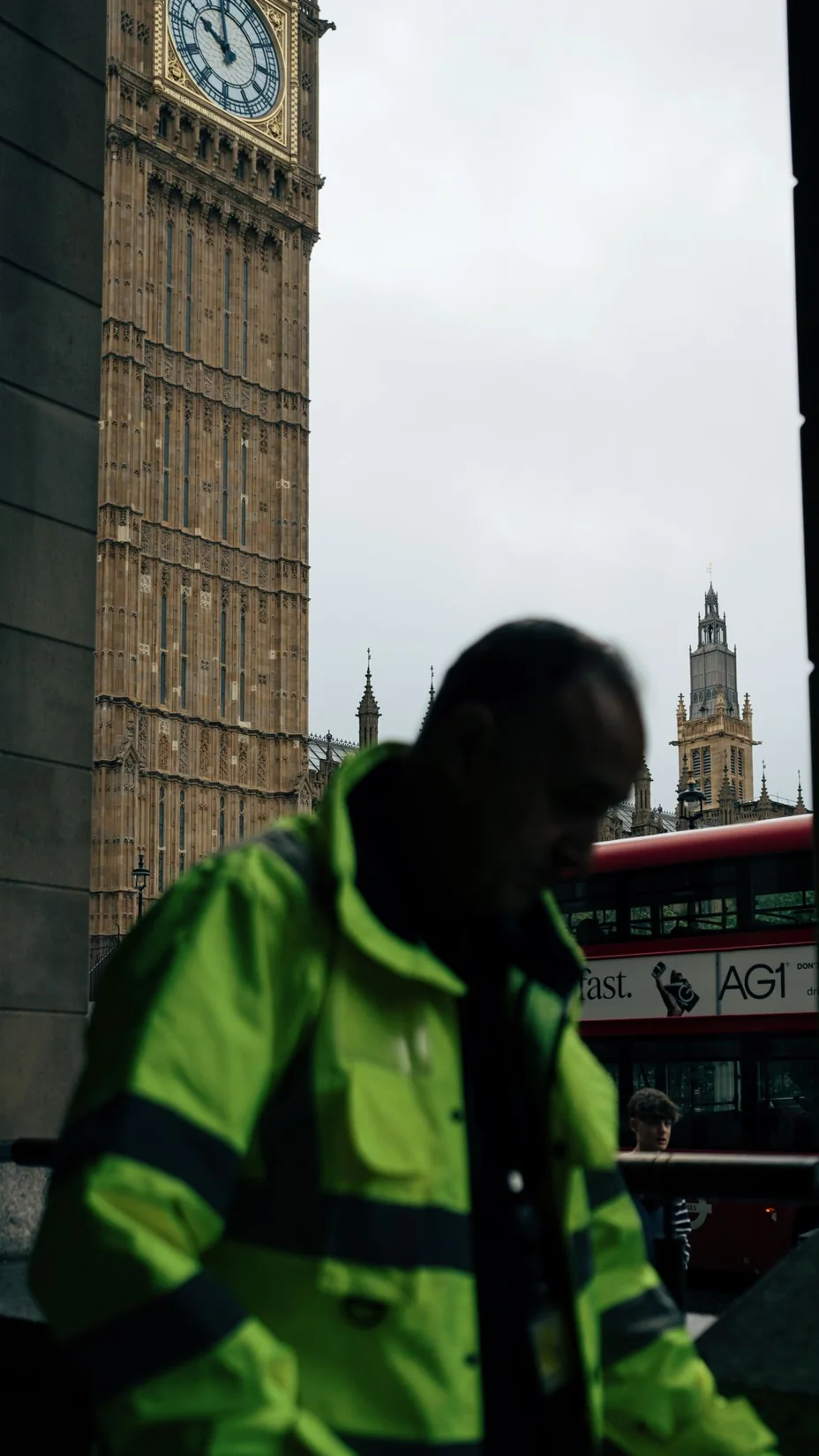
Choose one feature: the movement of a bus beside a building, a changing reflection in a window or the rhythm of people passing an entrance. A specific point makes the paragraph easier to enter than a broad statement that the city was lively. You can mention the wider setting after the reader knows what you noticed.
Use the location you can establish. A street name or a modest description of the area is enough. Do not infer a building's identity, purpose or history solely from its appearance. An accurate limited account is more useful than a polished paragraph built around a guessed fact.
Select details rather than collecting everything
Choose a few visible relationships. Something nearby may move across a much larger distant form, or a bright colour may stand out against stone. Describe those details in your own words. Avoid a catalogue of every sign, vehicle and person that happened to be in view.
Keep people anonymous and respectful unless you have an appropriate reason and permission to identify them. You can describe the general flow of a public scene without turning a stranger's private conversation, appearance or difficult moment into the paragraph's entertainment.
Put the details in a readable order
Try moving from near to far, from still objects to movement or through the sequence in which you noticed things. Choose one organizing approach instead of changing direction in every sentence. The order should help the reader picture the relationship, not prove that you can use elaborate language.
Read the paragraph once and remove a detail that does not support the main observation. A short scene can feel more specific when it contains less. If you want a photograph alongside it, the album context guide helps keep the written note connected to the actual collection.
Separate impression from explanation
You may have felt hurried, curious or pleasantly absorbed. State that as your response at that moment rather than a permanent quality of the neighbourhood. One street scene cannot explain the experience of everyone who lives or travels there.
If you later research a factual detail, keep the new source clear instead of silently presenting it as something you knew while observing. The paragraph can remain a personal scene with a separate factual note if that is the honest arrangement.
Keep the finished piece with the journey it belongs to. The current travel paper guide helps distinguish practical documents from the personal record you choose to retain. The scene does not need to become a public review or a complete travel essay. A few clear sentences can be enough to bring one ordinary moment back.
TAKE THE NEXT STEP
Useful resources & shopping
Check current availability, specifications and conditions directly. These are untracked editorial links; inclusion does not imply a partnership.
Sources & editorial notes
Official resources checked 2026-10-28. Rules and availability can change; confirm before booking. Last updated: 2021-11-12. This guide does not claim a personal visit or hands-on product test.
Have a correction? Contact the editorial team.