Travel & Living
Keep Your Food Distinct in a Shared Rental Pantry
A shared rental pantry can contain the property's supplies, another traveller's food and your own purchases on the same shelf. Keep those categories clear before unpacking the
In this guide
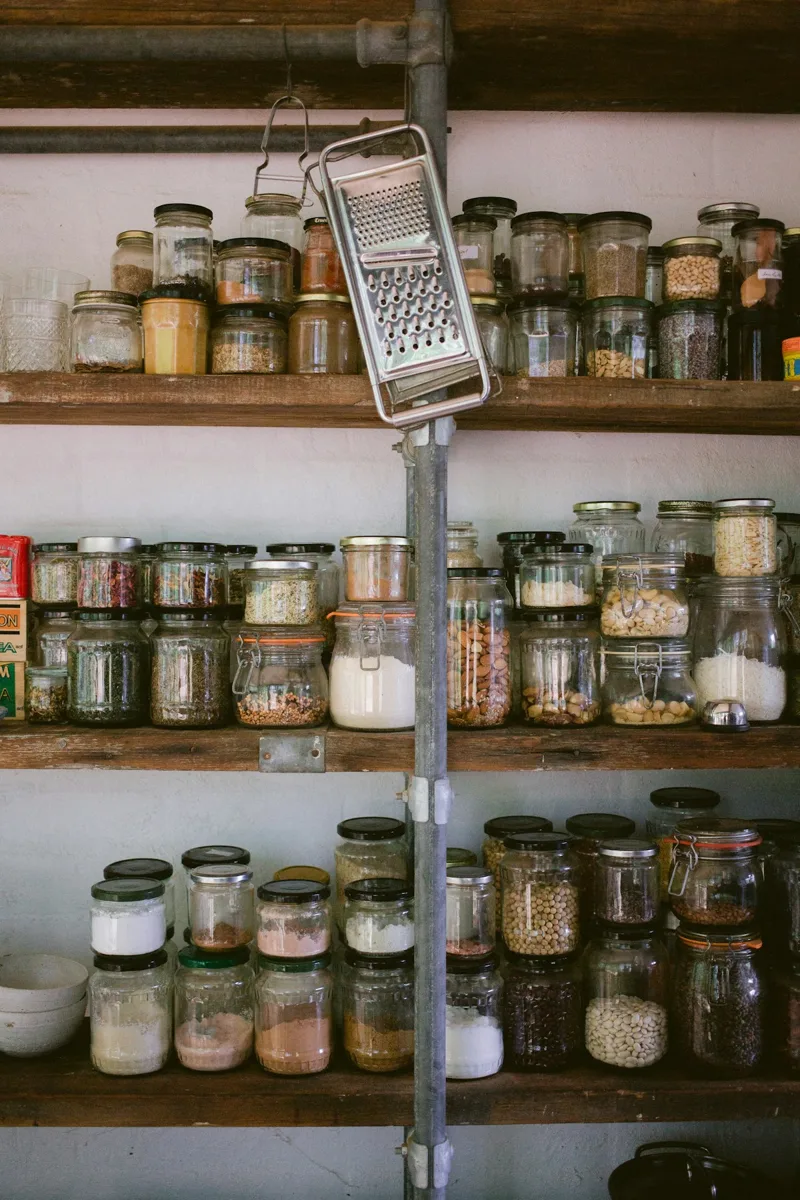
A shared rental pantry can contain the property's supplies, another traveller's food and your own purchases on the same shelf. Keep those categories clear before unpacking the first shopping bag. The aim is appropriate storage and understandable ownership, rather than making temporary ingredients resemble a permanent styled pantry for a photograph.
Confirm what is available
Read the property's information and ask about anything uncertain. A jar on a shelf may be decorative, left by a previous guest or specifically supplied for current use. Do not assume that visible food is suitable to consume or that every shelf is intended for guest storage.
Use appropriate food-safety guidance for the actual products, labels and conditions. Keep original information such as ingredients, storage instructions and relevant dates with the food. If a product is unclear or unsuitable, choose another option rather than treating the pantry's presence as a guarantee of safety or freshness.
Choose a defined area
Give your purchases an appropriate position that respects the food's storage requirements and the property's arrangement. Keep ownership understandable for travelling companions without blocking access to shared equipment. A modest labelled section may be enough; you do not need to decant everything into matching containers for a short stay.
The shared-apartment routine helps agree how communal purchases and personal items will be handled. A clear conversation can prevent someone using an ingredient another traveller was reserving for a specific meal. Keep dietary needs and relevant ingredient information visible in that agreement.
Buy through actual meals
Connect purchases with the meals you expect to prepare in the accommodation. Check available cookware and utensils before adding ingredients that need equipment you do not have. A pantry can fill quickly with packages bought for hypothetical dinners that the group later chooses to eat elsewhere.
The apartment cookware inventory helps keep that connection practical. Choose quantities and package sizes through the remaining stay and appropriate storage. Do not buy a large supply merely because the shelf has room for it.
Keep departure in the arrangement
Review the pantry before the final shop and again before checkout. Follow the property's rules on leftovers, disposal and any permitted food left for others. Keep the area appropriately clean and return property supplies to their intended positions without mixing them into personal luggage.
What if companions prefer separate shopping? That can work if storage and ownership remain clear and the kitchen can support the arrangement. Shared accommodation does not require every ingredient to become communal. The useful result is that people know what they can use, the food retains its proper information and storage, and departure does not reveal a shelf full of purchases nobody remembers making.
Before shopping together, take a brief inventory with the other travellers. Note which ingredients already have a planned use so that shared purchases do not accidentally duplicate personal supplies.
TAKE THE NEXT STEP
Useful resources & shopping
Check current availability, specifications and conditions directly. These are untracked editorial links; inclusion does not imply a partnership.
Sources & editorial notes
Official resources checked 2026-10-15. Rules and availability can change; confirm before booking. Last updated: 2023-10-12. This guide does not claim a personal visit or hands-on product test.
Have a correction? Contact the editorial team.