Travel & Living
Agree Bedside Light Use in a Shared Travel Room
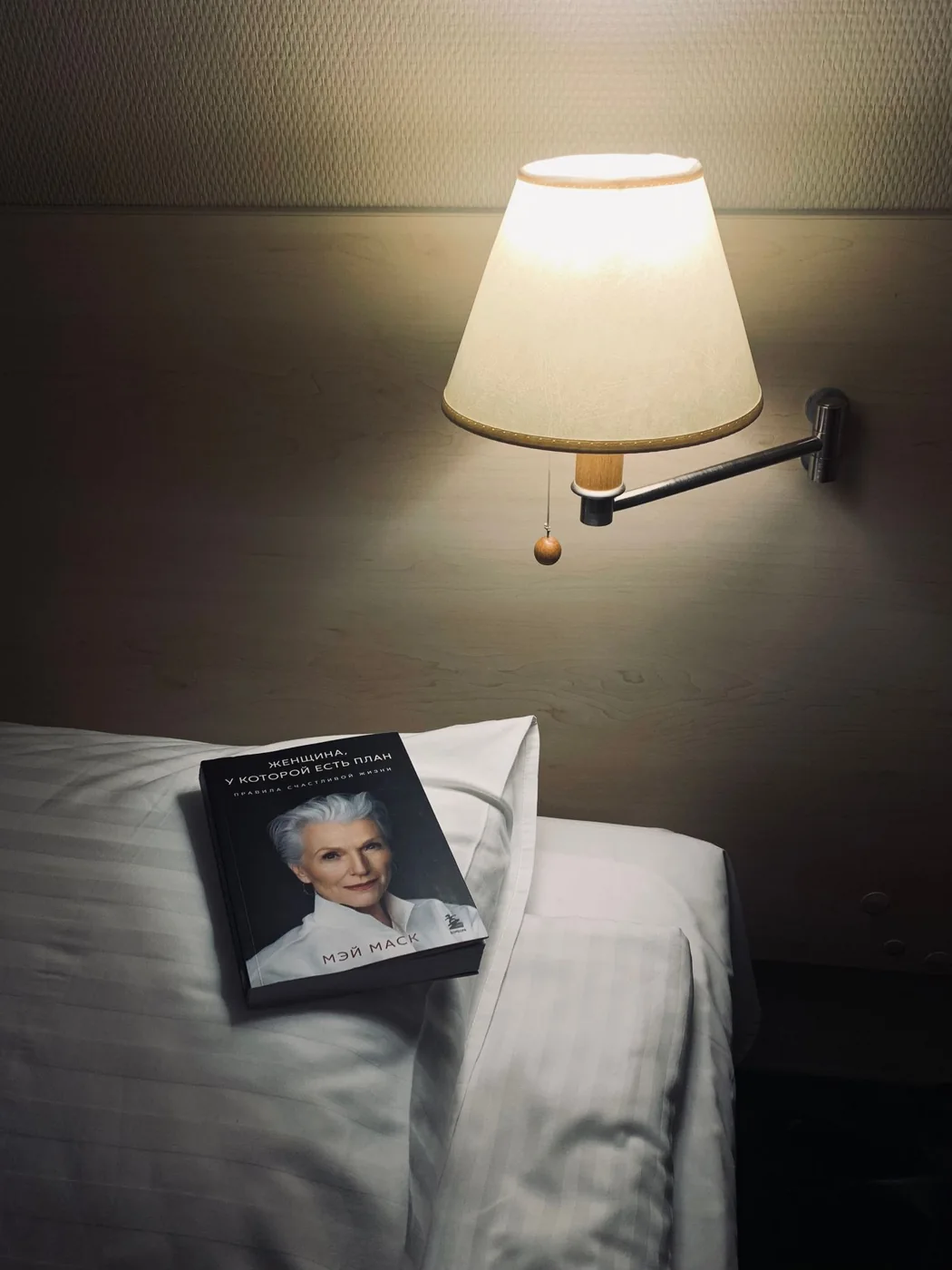
Sharing a travel room can mean sharing light at moments when your routines differ. One person may read before sleep while another wants the room darker. Agree how the bedside
In this guide
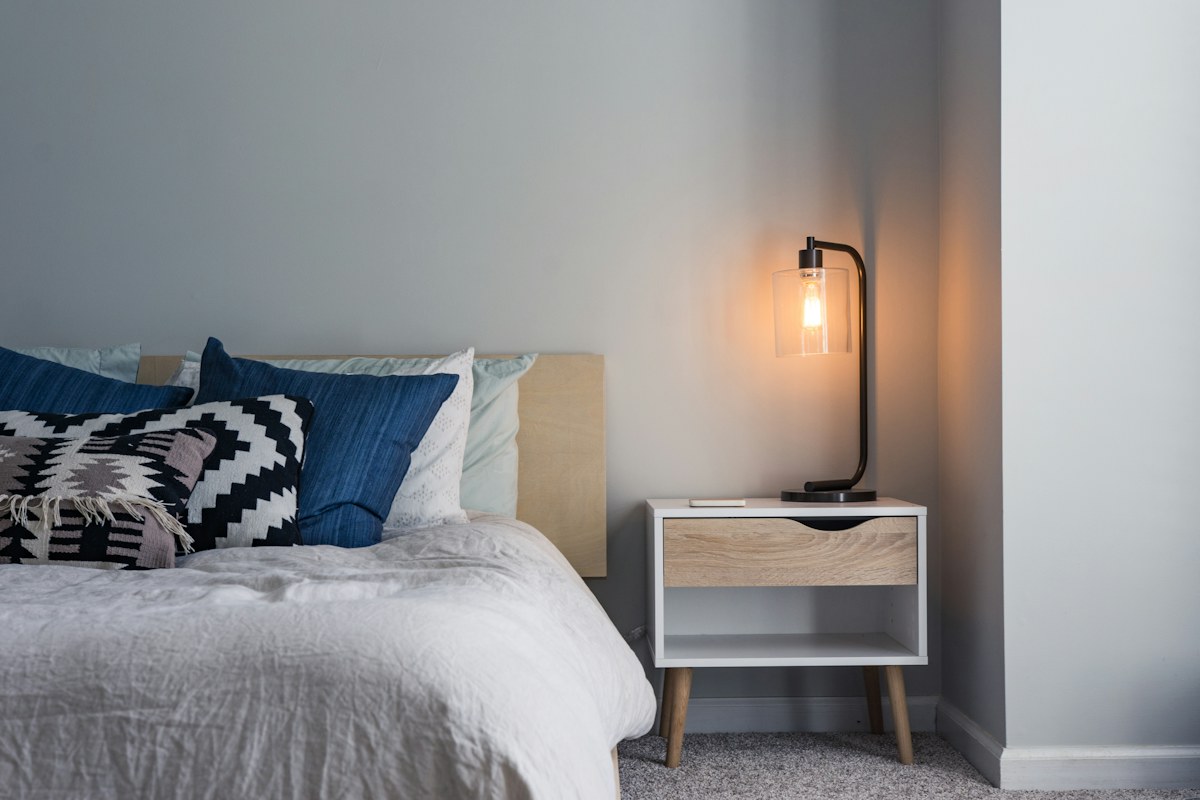
Sharing a travel room can mean sharing light at moments when your routines differ. One person may read before sleep while another wants the room darker. Agree how the bedside lamps will be used after seeing the actual setup, rather than letting the first tired evening become the negotiation.
Inspect the controls together
On arrival, locate the normal switches and identify which lights each operates. Use fittings only as intended, leaving fixed equipment in place. A pair of lamps may have separate controls, or one switch may affect more of the room than expected. Check before either person settles down for the night.
If a fitting is damaged or an essential confirmed feature is unavailable, raise the issue with the property. Do not cover a lamp, alter its wiring or improvise a shade to change the light. Choose an appropriate existing arrangement or ask about a suitable alternative through the provider's normal process.
Name the practical needs
Explain the activity rather than only stating a preference for “more” or “less” light. Reading a printed book, finding personal items and moving to the bathroom create different needs. Consider each traveller's comfort and access requirements, and seek an arrangement that treats those needs seriously.
The accommodation night-route check helps keep movement separate from bedtime atmosphere. A room can feel restful while still needing an appropriate way to navigate ordinary nighttime tasks. Do not remove useful illumination without considering how the shared space will be used.
Agree a modest routine
Choose where reading or another quiet activity will take place and how the person stopping later will close it. If the room has a suitable chair and lamp, it may offer another position, but check the actual setup rather than assuming one exists. Keep belongings from blocking controls or walking routes.
The travel reading-light guide is relevant if considering personal equipment. Follow its requirements and the property's rules, and do not assume a portable light will automatically be comfortable for both people. Test the arrangement and discuss it rather than treating equipment as a substitute for agreement.
Revisit the plan when needed
Different travel days may change who wants to read or sleep first. A simple conversation can update the routine without making the original agreement a rigid timetable. Keep any device, glasses or book in a defined place so that the later sleeper can stop without searching through the room.
What if the room offers no suitable compromise? Ask the property about an appropriate option and consider how the limitation affects future booking choices. The immediate goal is a workable shared evening, not proving that one traveller's normal home routine must prevail unchanged. Clear controls, specific needs and ordinary consideration can make the lamp a shared resource rather than a nightly source of irritation.
TAKE THE NEXT STEP
Useful resources & shopping
Check current availability, specifications and conditions directly. These are untracked editorial links; inclusion does not imply a partnership.
Sources & editorial notes
Official resources checked 2026-10-15. Rules and availability can change; confirm before booking. Last updated: 2023-07-12. This guide does not claim a personal visit or hands-on product test.
Have a correction? Contact the editorial team.