Destinations
Choose a Travel Portrait Background with Your Companion
Make a travel portrait through the subject’s preferences and a manageable background, agreeing the intended use and keeping the stop comfortable for everyone nearby.
In this guide
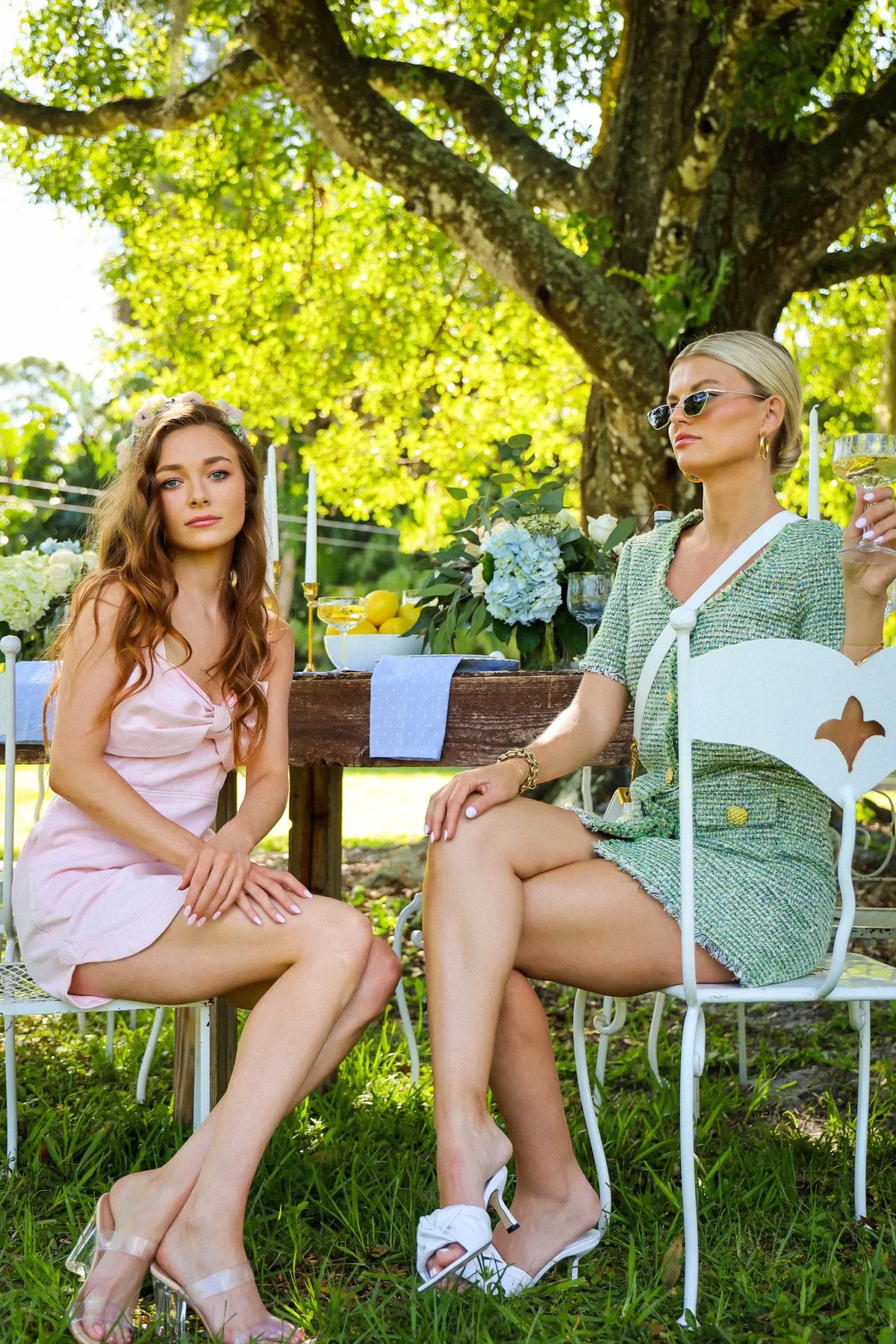
A travel portrait works best when the person pictured has a say in how it is made. Agree on the idea and intended use, then choose a background that supports the subject without making the stop difficult for them or people nearby. You do not need to copy a saved pose or obtain an empty landmark view. A manageable ordinary setting can hold the memory just as clearly.
Ask what kind of picture they want
Offer a clear choice rather than raising the camera and expecting a performance. The person may want a simple record of being there, a closer portrait or no picture at that moment. Accept the answer without turning it into a judgment about confidence or willingness to enjoy the trip.
Discuss the intended audience. A picture for a private album is different from a public post. Do not assume agreement to one establishes agreement to the other. If children are involved, the responsible adults need to manage the relevant decisions alongside appropriate consideration of the children themselves.
Choose the background through the actual position
Use a permitted place where the subject can stand or sit comfortably and the photographer can work without blocking a route. Keep away from unsuitable edges, traffic and private areas. A dramatic backdrop is not worth asking someone to occupy a position they cannot use appropriately.
Look behind the person before making the picture. A bright sign, an object appearing to emerge from their head or a crowded edge may distract from what you wanted to remember. A small camera adjustment can help without moving the subject into an awkward location.
Keep the person more important than the frame
Explain a suggested change briefly and let the subject decide whether it suits them. Avoid repeated instructions about holding the body differently to imitate a reference image. If they become tired of the stop, finish rather than promising one more frame several times.
You can compare a wider view that includes the place with a closer one, but make the difference deliberate. The wide-and-close comparison guide offers a simple way to know why a second frame might be useful. More pictures are not automatically a better experience for the person being photographed.
Review before a wider use
Show the selected image when practical and ask about any planned sharing. Respect the person's decision about an image they do not want used. Do not add an embarrassing caption or alter their appearance as a surprise intended to make the photograph more entertaining.
The family caption agreement guide helps separate a factual location note from a story someone did not agree to share. A portrait belongs to the people represented as well as to the photographer's memory of the trip.
Put the camera away once the agreed picture is made. The useful result is a record the subject is comfortable with and a stop that leaves the shared visit pleasant. If the person prefers to enjoy the scene without a portrait, that is a complete outcome too.
TAKE THE NEXT STEP
Useful resources & shopping
Check current availability, specifications and conditions directly. These are untracked editorial links; inclusion does not imply a partnership.
Sources & editorial notes
Official resources checked 2026-10-28. Rules and availability can change; confirm before booking. Last updated: 2022-01-12. This guide does not claim a personal visit or hands-on product test.
Have a correction? Contact the editorial team.