Travel Essentials
Make Travel Pouches Recognizable Without Buying a Different Set
Make travel pouches recognizable through clear jobs, simple cues, useful positions, modest contents, and updated labels instead of buying another set.
In this guide
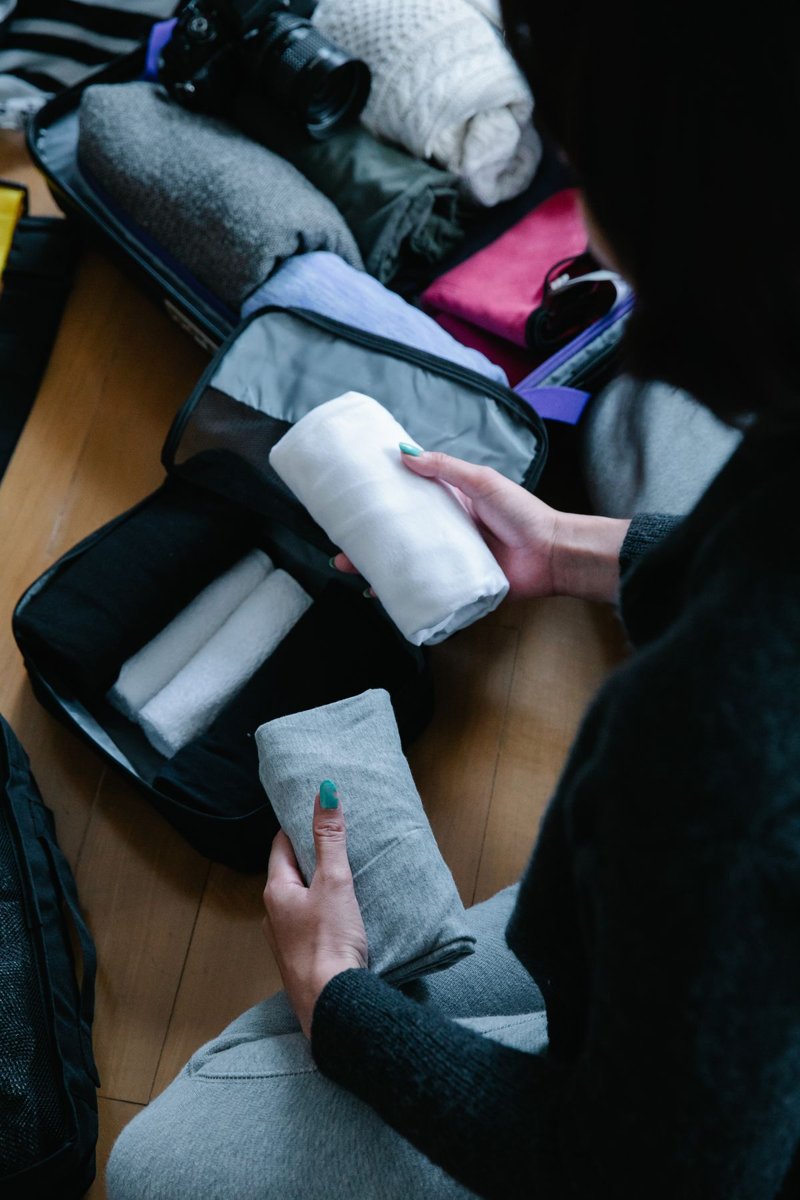
Matching pouches can look organized while forcing you to unzip every one to find a charging lead. A useful packing system makes each container recognizable through a simple cue and a clear job. You may be able to improve the set you already own rather than replace it with more compartments.
Assign jobs that make sense together
Group items you retrieve at the same time, such as immediate arrival toiletries or a small set of compatible device accessories. Avoid a miscellaneous pouch that receives every object without a home. The group should describe a task you recognize, not merely a similar object size.
Keep items with different storage or care requirements handled appropriately. A pouch does not make liquids, medication, sharp objects, or equipment interchangeable. Follow relevant instructions and travel rules. Use separation where needed instead of forcing everything into a visually tidy category.
Choose one visible cue
Use a clear label, an existing color difference, or another suitable identifier that does not damage the pouch or interfere with closure. A label should explain the job: evening wash kit is clearer than small things. Keep any private information off a publicly visible tag.
Do not add so many codes that you need a legend. A system that works only when you remember five arbitrary colors is fragile when tired. If several people share luggage, agree the names together and keep personal ownership clear where it matters.
Put frequent items in useful positions
Pack according to access, not only how neatly the pouches stack. The first-night kit belongs somewhere you can reach without exposing the entire wardrobe. Equipment used during the journey needs an appropriate accessible location within provider rules. A clear label cannot solve a pouch buried beneath everything else.
Test the layout at home. Retrieve the item you are most likely to need first, then return it. Notice whether the bag requires a complete rearrangement. Change the position before adding another organizer; the problem may be the layout rather than a shortage of containers.
Keep contents modest
Empty each pouch and remove items without a role on this trip. Check condition, dates where relevant, and product instructions. A labeled pouch can conceal a collection of unused duplicates just as easily as an unstructured bag. Organization should make useful contents visible, not justify carrying them indefinitely.
Leave enough space to close the pouch comfortably without inappropriate pressure on contents. A tightly packed accessory bag may be difficult to inspect and may not protect delicate objects. Choose an arrangement suited to the items rather than treating every cubic centimeter as a packing target.
Update the cue when the job changes
If a pouch moves from toiletries to cables, change the label and clean or care for it as appropriate. An outdated identifier is worse than no identifier because it creates a confident wrong assumption. Review the system before travel instead of relying on last year's contents.
Should every object have a pouch? No; use containers where they improve access or appropriate separation. Are transparent pouches better? They can help some tasks, but privacy, durability, rules, and actual use still matter. What if I change bags often? Keep a small recognizable core and adjust the trip-specific contents.
Our packing-cube guide helps distinguish organization from extra bulk. The daypack guide connects the pouch system with the bag you carry outside.
TAKE THE NEXT STEP
Useful resources & shopping
Check current availability, specifications and conditions directly. These are untracked editorial links; inclusion does not imply a partnership.
Sources & editorial notes
Official resources checked 2026-10-14. Rules and availability can change; confirm before booking. Last updated: 2026-10-01. This guide does not claim a personal visit or hands-on product test.
Have a correction? Contact the editorial team.