Travel Essentials
Traveling with Two Pairs of Glasses: Make the Swap Deliberate
Organize two pairs of travel glasses with suitable cases, one predictable bag location, a deliberate swap, appropriate cleaning, and clear transition checks.
In this guide
Switching between glasses and sunglasses can create a small repeated puzzle: one pair in your hand, another on your face, and a case somewhere inside the bag. A deliberate swap routine keeps the arrangement understandable without requiring a complicated organizer. Start with the eyewear you need and the care guidance for each pair.
Give each pair a suitable case
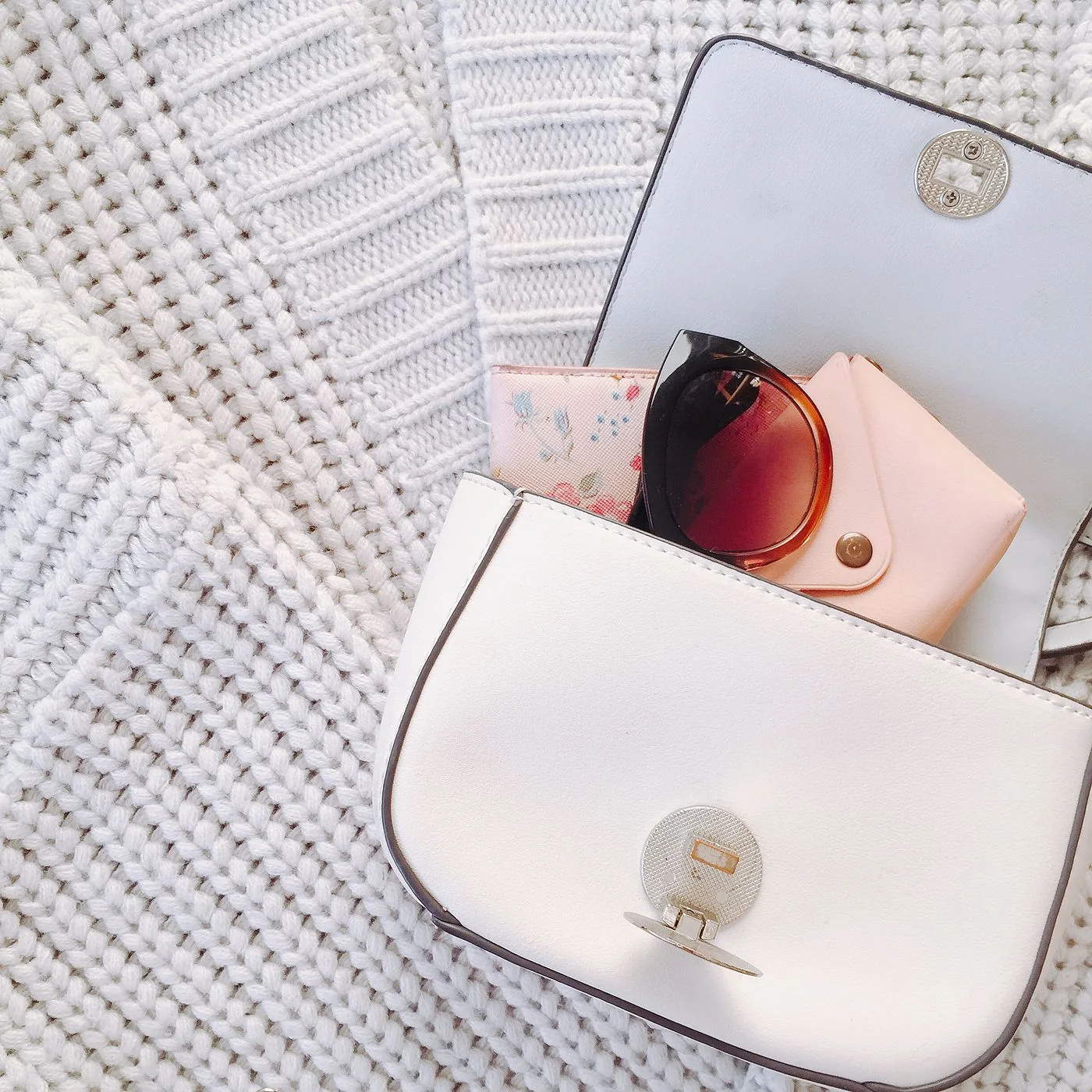
Check actual fit and protection according to the maker's instructions. A case from an older pair may press on the new frames or leave them moving around. Close it gently and inspect the interior for debris or damage. The case should suit the glasses, not merely match the rest of the luggage.
If the cases look identical, add a simple suitable cue that does not interfere with use. A readable label can help you identify the pair without opening both in a busy place. Keep the cue practical and avoid personal information that does not need to be visible.
Choose one bag location
Keep the cases in a predictable compartment that supports appropriate storage. Avoid placing them beside objects that could leak or exert unsuitable pressure. Check the loaded bag, not the empty pocket alone. A case that is difficult to retrieve may tempt you to leave the glasses loose instead.
Think about the bag used for different outings. If you switch between a daypack and a small evening bag, decide which eyewear and protection each arrangement needs. Do not transfer the pair without its suitable case merely because the second bag is smaller.
Pause to change pairs
Choose a suitable place and handle one pair at a time. Put the removed glasses into their case as appropriate before continuing. Trying to manage the swap while walking with luggage can create more difficulty than pausing briefly. Keep the process within the eyewear's care instructions and your own needs.
Avoid using an unfamiliar surface as temporary storage when the case is available. A café table, bathroom edge, or bedspread can make the pair easy to overlook. The same routine can work at the accommodation: one defined place for both cases rather than several informal landing spots.
Pack appropriate cleaning materials
Use cleaning methods and products supported by the eyewear maker or appropriate professional advice. Keep the cleaning cloth in suitable condition and separate from dirt or grit. Do not assume a shirt sleeve or an unfamiliar spray is appropriate because it is convenient.
If the glasses are damaged or uncomfortable, seek suitable professional help rather than repeatedly bending or treating them without guidance. This article concerns handling and organization, not prescriptions, medical advice, or an assessment of lens performance.
Add the cases to transition checks
Before leaving a room or changing bags, confirm that each pair and its case is where expected. Check the places you actually used. A short specific check is more reliable than asking whether everything is packed while looking only at the suitcase.
Do I need two pairs? Choose according to your own requirements and appropriate professional guidance. Can I store both in one case? Only if the product is intended and suitable for that arrangement. What if the cases are bulky? Edit other contents or choose a verified suitable alternative rather than sacrificing necessary protection.
Our daypack guide helps with accessible compartments. The first-night kit can keep immediate personal items easy to find after a long arrival.
TAKE THE NEXT STEP
Useful resources & shopping
Check current availability, specifications and conditions directly. These are untracked editorial links; inclusion does not imply a partnership.
Sources & editorial notes
Official resources checked 2026-10-14. Rules and availability can change; confirm before booking. Last updated: 2026-10-12. This guide does not claim a personal visit or hands-on product test.
Have a correction? Contact the editorial team.