Travel Essentials
Carry-on backpack or suitcase? Choose for the journey between hotels
Compare a travel backpack and rolling suitcase for stairs, trains and longer stays, with a practical fit checklist before spending on new luggage.
In this guide
Begin with the inconvenient twenty minutes
Imagine arriving at a small station after dark. Your accommodation is a walk away, the pavement is uneven, and the room is up two flights of stairs. That short transfer can matter more than the hours spent beside your luggage at an airport. A travel backpack keeps your hands available, while a rolling case takes weight off your shoulders whenever the surface allows it.
Neither format wins every trip. Choose around the transfers you will actually make, your comfortable carrying ability, and how often you unpack. This guide compares ordinary travel situations rather than claiming laboratory or hands-on testing. The official product and advice links below are untracked research destinations; check the exact current model before ordering.
When a backpack earns its place
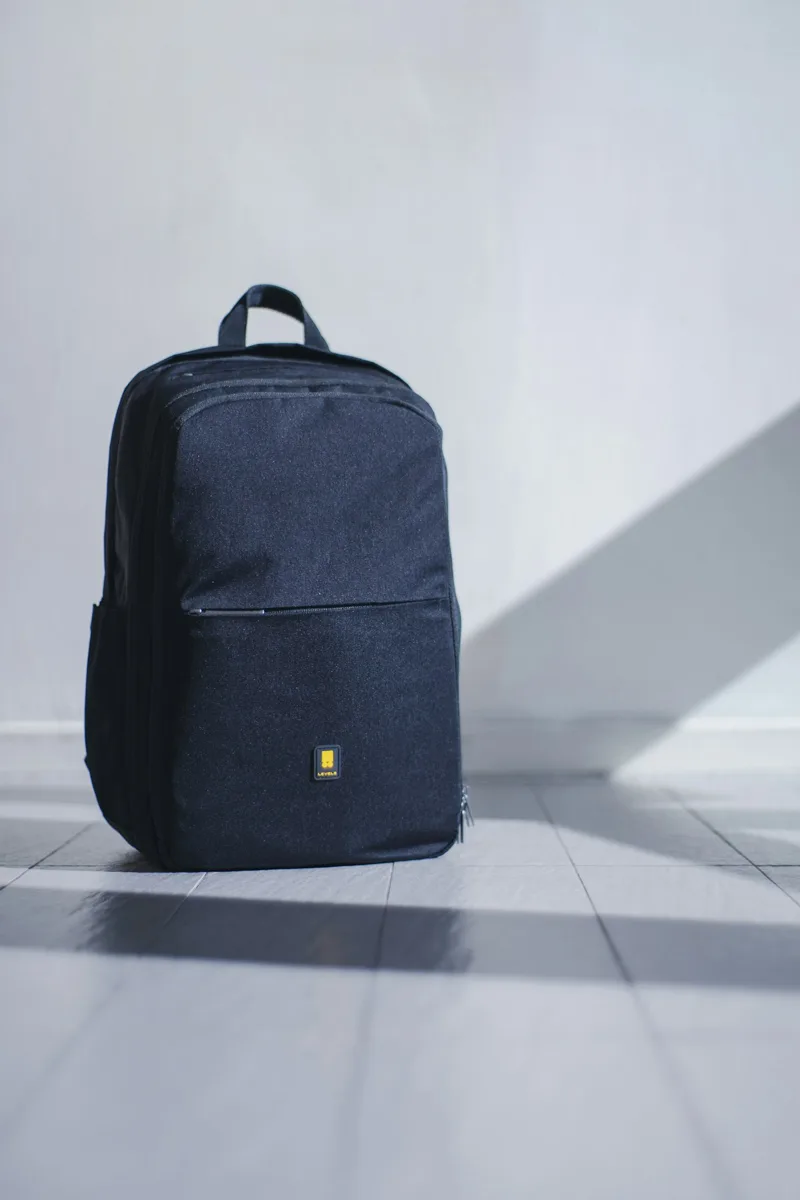
A panel-opening travel backpack makes sense when the itinerary includes several stations, guesthouse staircases, or accommodation without a reliable lift. It is also useful when one hand must hold a child's hand. The advantage depends on a comfortable loaded fit: a bag that feels pleasant empty can become tiring after a crowded walk with clothes, toiletries, and electronics inside.
Osprey's Farpoint 40 is a real example to research, with panel access and an adjustable torso fit described on its official page. Treat the model name as a starting point, not permission to assume airline acceptance. Compare the packed external dimensions and weight with every operating airline's allowance, including connecting flights and any separate personal item.
When wheels are the more thoughtful choice
A suitcase suits a single hotel base, smooth airport transfers, and travelers who cannot comfortably carry their full load. Opening a case on a luggage stand can make clothing easier to see than digging through a tall bag. However, a wide clamshell case needs floor space, and even good wheels do little for a staircase.
Before choosing between two-wheel and four-wheel designs, try turning and lifting them with a realistic load. Check whether the handle height works without making you hunch. Examine wheel protection, zipper access, and repair options. An extra compartment is useful only if it keeps something you need accessible; dozens of pockets can simply make a straightforward packing routine harder.
A purchase checklist that prevents expensive mistakes
Lay out your normal packing list before shopping. Remove clothing that has no clear role, then measure the bags you already own. A smaller replacement does not solve overpacking if you must hang another heavy tote from it. Include your laptop and usual charger in the weight calculation, rather than estimating from clothing alone.
At a store, walk with the backpack adjusted properly or roll the case over more than polished flooring. Lift either choice into a position similar to an overhead shelf without straining. Check the retailer's return conditions before using it outside. If a particular airline route is central to your trip, save that carrier's current baggage page with your booking notes.
Spend on the problem you really have
Paying more can be reasonable for a harness that fits, accessible repairs, or wheels you can replace. Paying more for a fashionable shell color rarely changes a difficult transfer. A protective laptop sleeve may help organize electronics, but it does not make it sensible to leave valuable equipment in a checked bag.
For a mixed trip, consider using a small case with a comfortable daypack rather than buying the largest travel backpack available. For frequent moves, reduce the total load before adding another bag. Whatever you choose, leave room to close it without forcing the zipper. A flexible packing margin is more useful than treating every pocket as storage that must be filled.
Frequently asked questions
Can one bag work for both a city break and a longer journey? Yes, if you can repeat clothing and do laundry. Trip length alone does not determine luggage volume; weather, footwear, and laundry access often matter more.
Is a backpack always more convenient on trains? It is easier on stairs, but you still need to remove it in crowded aisles and store it without blocking other passengers. Can a suitcase be sensible in an old city? Certainly, especially with a direct vehicle transfer and a lift. Check the accommodation route before deciding that cobbled streets rule out wheels entirely.
Compare the choices
| Choice | Useful scenario | Tradeoff |
|---|---|---|
| Travel backpack | Frequent stairs | Weight stays on your body |
| Rolling suitcase | Smooth transfers | Awkward on steps |
TAKE THE NEXT STEP
Useful resources & shopping
Check current availability, specifications and conditions directly. These are untracked editorial links; inclusion does not imply a partnership.
Compare the current fit and published dimensions.
Read guidance on luggage formats.
Sources & editorial notes
Official resources checked 2026-10-10. Rules and availability can change; confirm before booking. Last updated: 2026-04-20. This guide does not claim a personal visit or hands-on product test.
Have a correction? Contact the editorial team.