Travel Essentials
Close a Loaded Suitcase Without Forcing the Zipper
A suitcase that closes only when someone presses hard on the lid may be carrying an unresolved packing problem. Before forcing the zipper, check the load and the case's intend
In this guide
A suitcase that closes only when someone presses hard on the lid may be carrying an unresolved packing problem. Before forcing the zipper, check the load and the case's intended capacity. A manageable closing path should preserve both the contents and the luggage rather than relying on a final struggle before departure.
Inspect the path first
Open the case fully in a suitable space and look around the zipper route. Remove trapped fabric, loose straps or objects according to the case's instructions. Do not pull against an obstruction simply because the slider has moved partway. If the mechanism appears damaged, seek appropriate repair guidance rather than treating extra force as a solution.
Check that internal dividers and fastenings are being used as intended. A sleeve or packing pouch can spill into the closing path even when the overall load seems modest. Place belongings securely within the compartments and keep loose parts clear before trying again.
Reassess the volume
Look for items packed without a defined role, bulky duplicate layers and containers that leave awkward gaps. Remove or rearrange only in ways suitable for the belongings. Do not compress a structured shoe, delicate object or garment beyond its appropriate handling simply to preserve the original list.
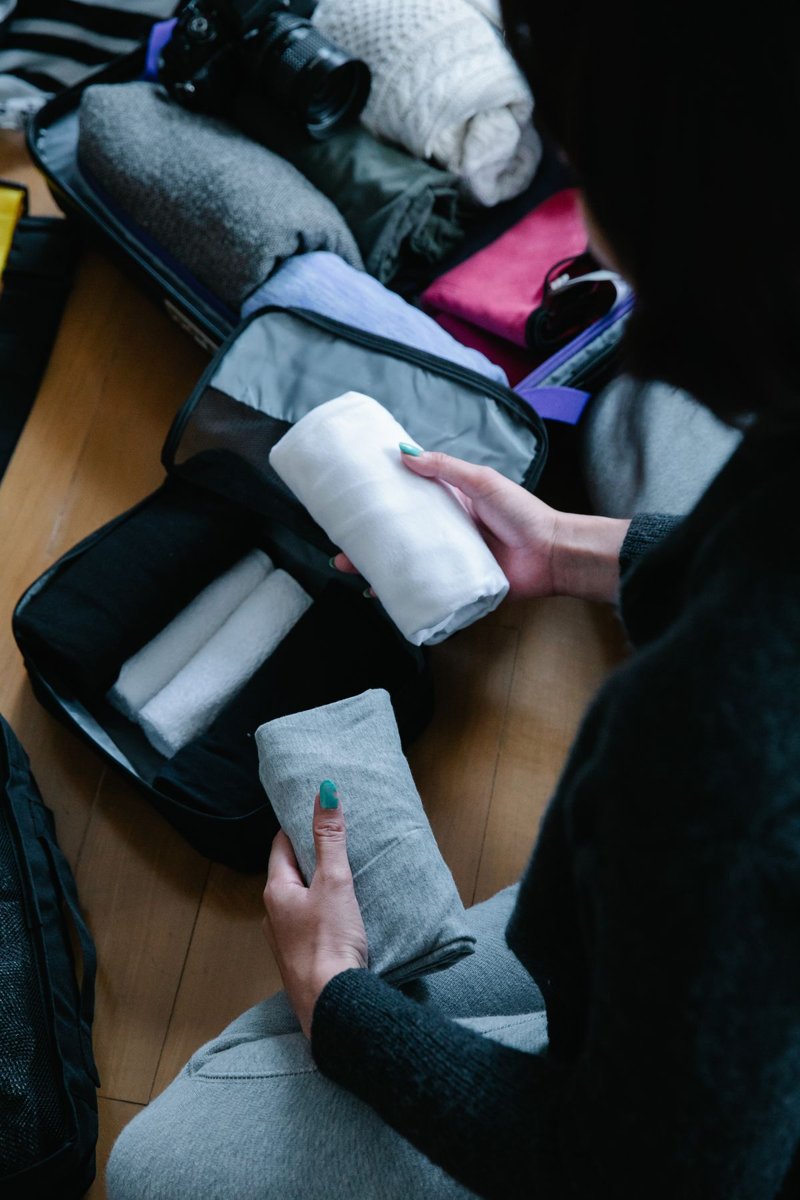
The packing-cube guide helps distinguish useful organisation from extra bulk. A cube can make clothing easier to retrieve, but its shape may not suit every part of the case. Compare the packed result rather than assuming more organisers create more capacity.
Check the return journey
If the outbound case is already difficult to close, consider what happens after laundry, purchases or a change in folding. Leave the load realistic for the whole trip. A souvenir is optional, and an additional bag has its own transport conditions and carrying demands.
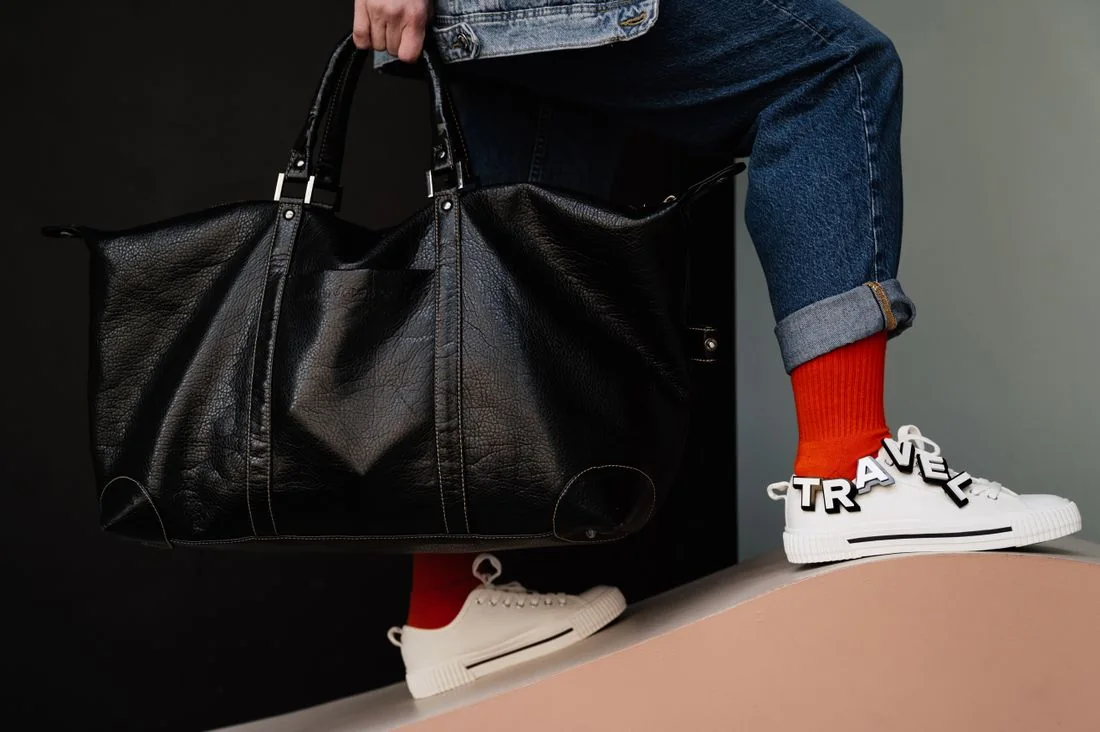
The foldable tote role can help assess a genuine additional need. Do not use a spare tote as an automatic answer to overpacking without checking the carrier's current allowances and your ability to manage the extra item. The full loaded journey should remain the basis of the decision.
Close according to the design
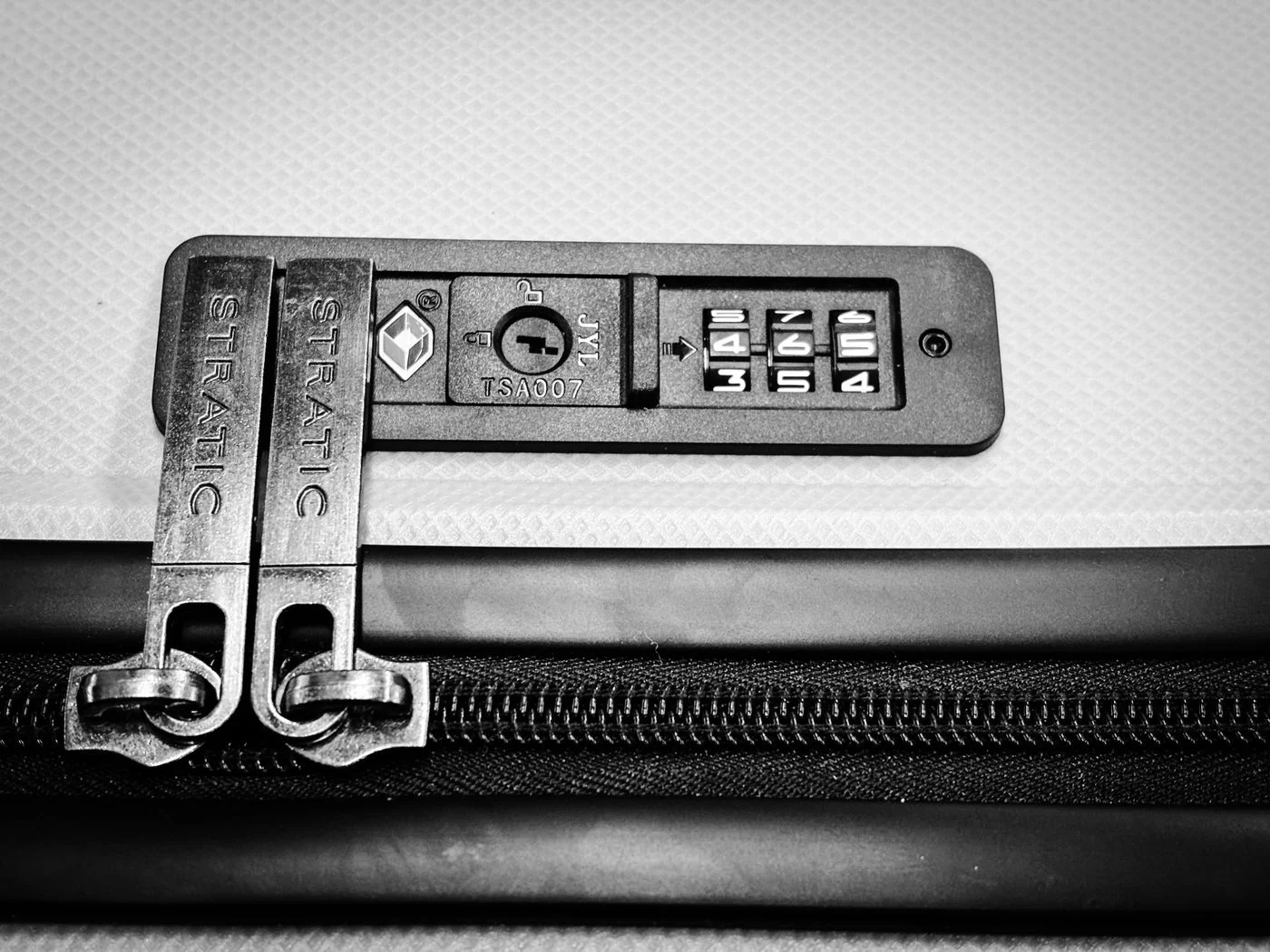
Once the load and path are appropriate, use the closures as the maker instructs. Keep the case supported suitably and avoid trapping personal belongings near the mechanism. Check any locks or additional fastenings through their own instructions rather than assuming the zipper's closure completes every departure task.
What if the zipper still resists? Stop and investigate through the maker or an appropriate repair provider. A less-full case can reveal a mechanical problem that rearranging cannot solve. The useful goal is reliable closure within the case's intended use, not proving that the current pile can be contained at any cost.
Keep the removed items beside the case until the decision is complete. Return each to its ordinary storage or a justified travel position, rather than leaving a second unexplained packing pile.
TAKE THE NEXT STEP
Useful resources & shopping
Check current availability, specifications and conditions directly. These are untracked editorial links; inclusion does not imply a partnership.
Sources & editorial notes
Official resources checked 2026-10-15. Rules and availability can change; confirm before booking. Last updated: 2023-12-01. This guide does not claim a personal visit or hands-on product test.
Have a correction? Contact the editorial team.