Travel Essentials
Try a Daypack Opening Through a Seated Retrieval
Try a daypack's ordinary seated retrieval with a realistic load, checking the opening, intended item and return sequence through an appropriate practical trial.
In this guide
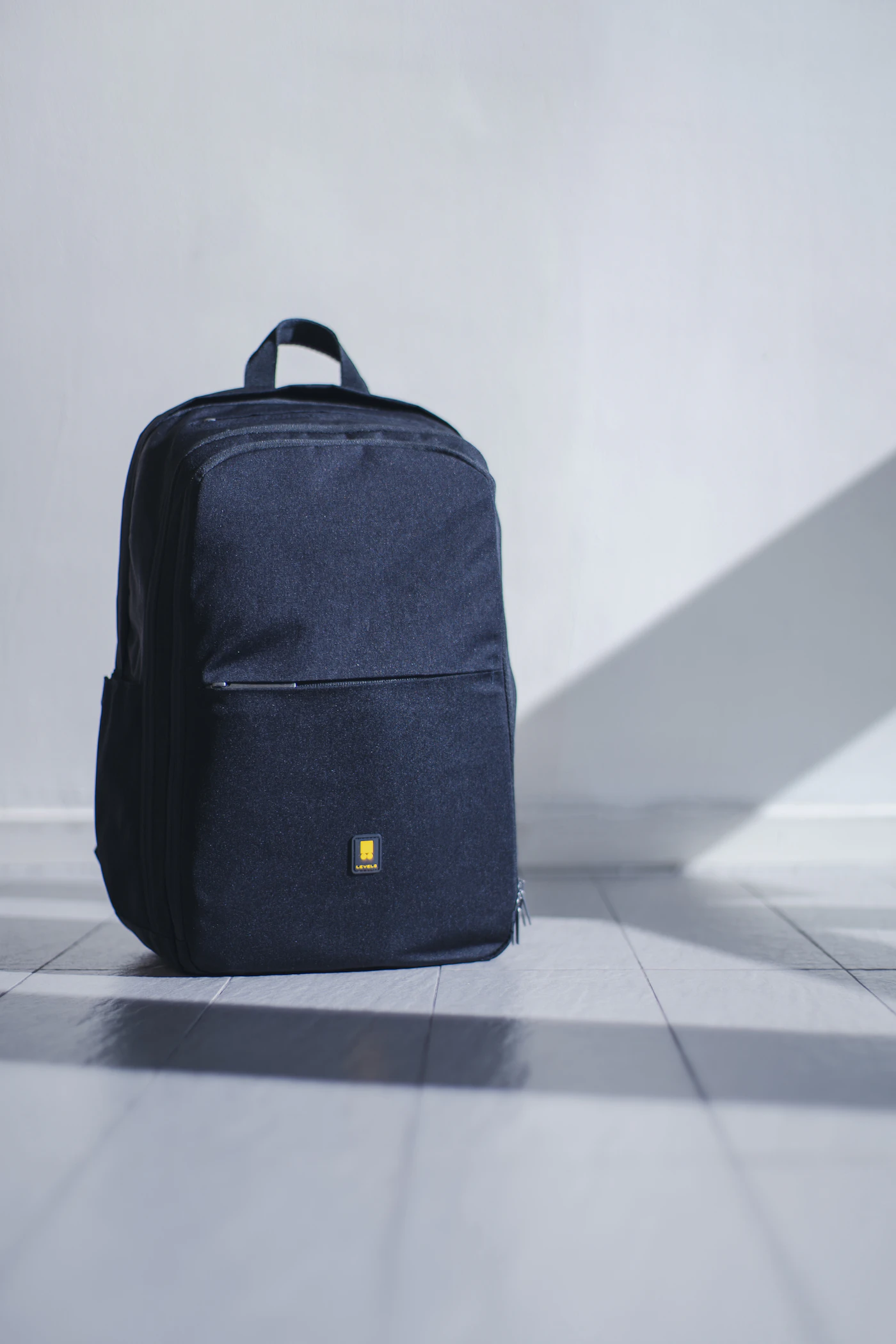
A daypack opening should be tried through a seated retrieval as well as an empty standing demonstration. A notebook or other frequently used object may be easy to reach from a shop counter and awkward to return during a pause. Rehearse the complete task within the bag's intended use before deciding the opening suits your travel routine.
Choose the task to test
Identify one suitable item you actually expect to retrieve while seated. Keep the rest of the proposed load realistic where a permitted trial allows it. An empty bag can make every compartment seem accessible, while an overloaded demonstration answers a different question from the ordinary trip you are planning.
The daypack choosing guide helps assess the complete product. This retrieval trial focuses on a particular use within that broader decision, rather than treating convenient access as proof that the bag answers every comfort or equipment requirement.
Follow the designed opening
Read the relevant maker information and operate the zipper or closure as intended. Do not force a fitting or detach a component to create another opening arrangement. Ask about an unfamiliar feature before relying on it as part of the routine.
In an appropriate trial setting, place the bag where it can be used without obstructing a route or another person's space. Notice how much support the opening requires. If retrieving the chosen object means spreading several belongings across neighbouring seats, the arrangement may need a clearer packing choice or another bag design.
Complete the return half
Put the item back and close the bag normally. Observe whether other contents shift into the opening or whether a pouch must be removed first. A successful extraction alone can hide the more awkward part of the task, particularly when the same item will be used several times during the outing.
The recognisable travel-pouch guide helps distinguish small groups inside the bag. A pouch should support the task rather than create another container that must be emptied whenever one object is needed.
Compare the specific tradeoff
If the trial is inconvenient, name the cause: opening position, closure operation, contents order or the amount carried. Change one relevant variable and compare again within the permitted process. That provides more useful information than replacing several organisers at once and hoping the whole collection becomes easier.
Keep important belongings managed according to your own circumstances and their requirements; easy access is not a universal security guarantee. Review care information and the actual purchase terms while deciding. A useful seated-retrieval test connects the daypack's design to a real action, leaving the choice grounded in how the bag is opened, used and returned rather than in a count of compartments on its label.
For a shared bag, let the other intended adult user assess the same task where a suitable trial is available. Different comfort or reach preferences can matter even when both people want to carry an identical set of contents.
TAKE THE NEXT STEP
Useful resources & shopping
Check current availability, specifications and conditions directly. These are untracked editorial links; inclusion does not imply a partnership.
Sources & editorial notes
Official resources checked 2026-10-18. Rules and availability can change; confirm before booking. Last updated: 2022-12-12. This guide does not claim a personal visit or hands-on product test.
Have a correction? Contact the editorial team.