Travel Essentials
Fold a Paper Travel Map for the Section You Actually Need
A large paper map can be useful for understanding a place and awkward to open on a busy pavement. Fold it for the section you are using before the outing, while preserving eno
In this guide
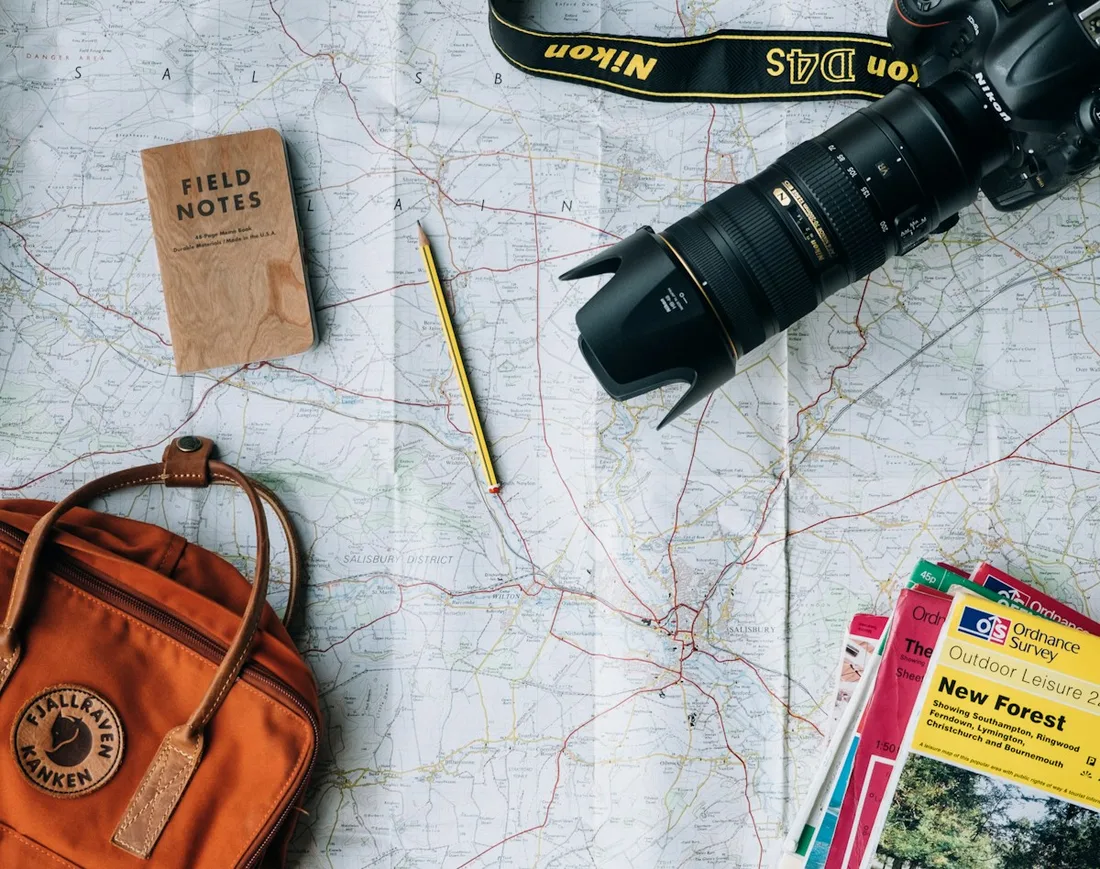
A large paper map can be useful for understanding a place and awkward to open on a busy pavement. Fold it for the section you are using before the outing, while preserving enough surrounding context to orient yourself. The aim is a practical reference, not a tiny isolated square that hides the route back.
Check the map's role
Identify what the map actually provides and when it was produced. A printed street layout may help with orientation while current transport, closures and access arrangements still need checking through the relevant official sources. Do not treat a clear line on paper as proof that a route is presently open or suitable for your needs.
Choose the area needed for the next part of the day. Include the starting point, the main destination and useful surrounding references. A fold that shows only the attraction may remove the very information needed when you emerge from a station or leave by a different entrance.
Fold in a suitable space
Open the map at a table or another appropriate surface before leaving. Follow existing folds where practical and handle the paper according to its condition. Avoid repeatedly forcing a worn crease that is already tearing. A suitable protective arrangement may help, provided you can still read and use the map comfortably.
The offline return-route note can accompany the broader map. Keep a short exact reminder for the return while the paper provides context. Neither reference should expose private booking codes or other information that does not need to be visible during the outing.
Practise the retrieval
Put the folded map in an appropriate accessible part of the day bag. Retrieve it while stopped and check that the useful section appears without opening the whole sheet. Keep it separate from wet belongings or food in a way suitable for the bag and conditions.
The daypack selection guide helps consider that access within the complete load. A map buried beneath clothing may be technically available but inconvenient enough that you avoid using it. Give frequently consulted information a position that does not require unpacking in a doorway.
Stop to consult it
Choose a suitable place clear of moving routes before reading the map. Orient it through reliable references and current information, and ask appropriate local staff or sources when uncertain. Avoid walking into a crossing or restricted area while trying to interpret a fold that has turned the street names sideways.
Should you mark the route? A personal copy may allow useful notes, but keep changes clear and distinguish them from printed information. Do not mark a borrowed map without permission. At the end of the day, review the next section and refold deliberately. The paper becomes more useful when its arrangement follows the actual outing rather than remaining in the same complicated shape for the entire trip.
TAKE THE NEXT STEP
Useful resources & shopping
Check current availability, specifications and conditions directly. These are untracked editorial links; inclusion does not imply a partnership.
Sources & editorial notes
Official resources checked 2026-10-15. Rules and availability can change; confirm before booking. Last updated: 2024-01-01. This guide does not claim a personal visit or hands-on product test.
Have a correction? Contact the editorial team.