Travel Essentials
Choose a Travel Snack Container by Its Actual Closure
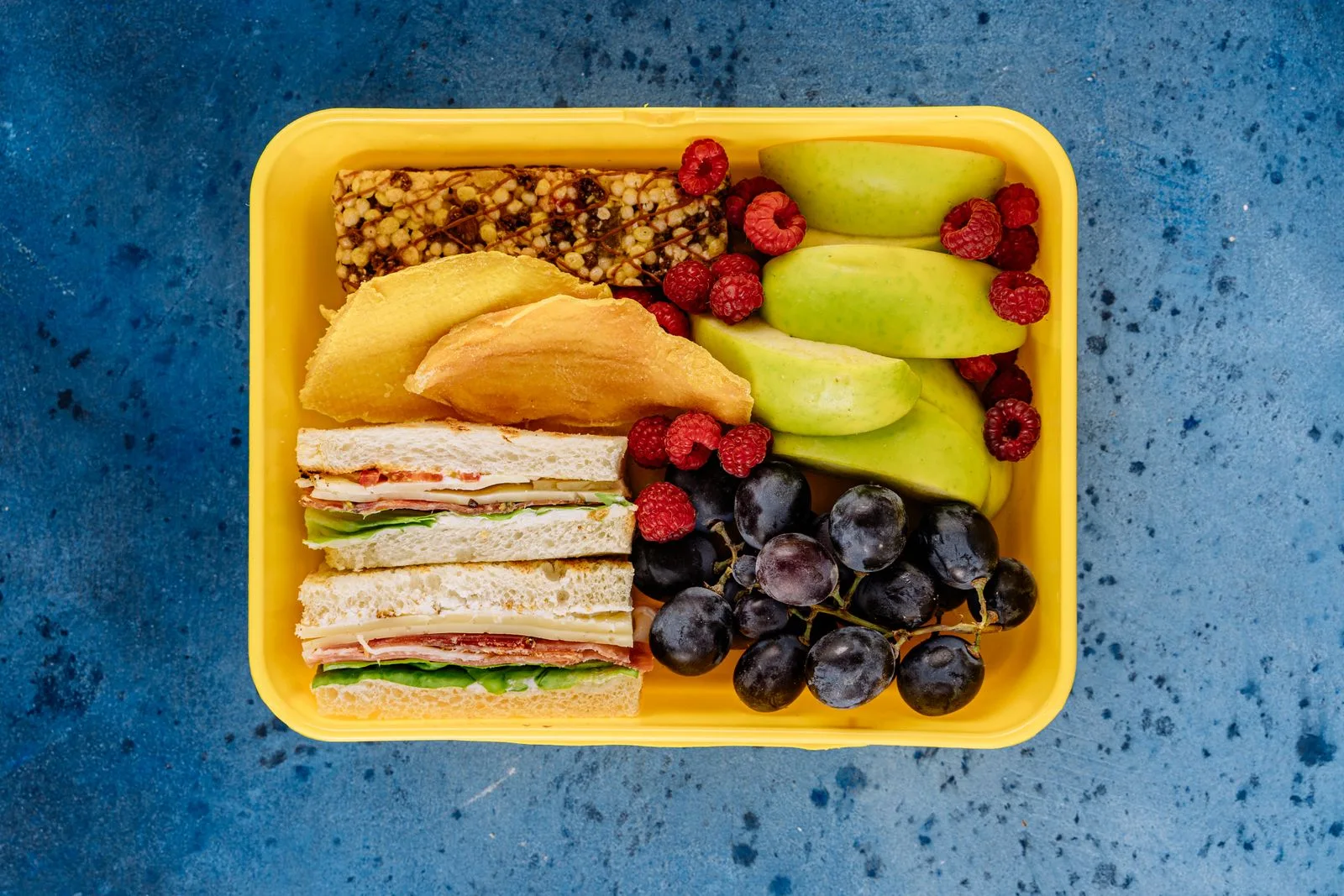
Check a snack container through its intended contents, suitable food handling, usable closure, complete bag fit, removable parts, and an appropriate after-use care route.
In this guide
A travel snack container needs a closure that works for the food, the bag, and the person opening it. Choosing by color or a reassuring product photograph can miss those ordinary requirements. Check the actual mechanism and its stated use before relying on it during a journey, especially when someone else will carry or open it.
Match the contents to the stated design
Begin with the intended food and its handling requirements. Dry snacks, cut fruit, and foods requiring temperature control are not interchangeable packing tasks. Read the manufacturer's information about food contact, suitable contents, and any temperature limits. A lid that snaps shut is not automatically leakproof or appropriate for hot food.
Follow authoritative food-safety guidance for storage and the journey. A container organizes food; it does not by itself provide suitable temperature control or make an unsuitable travel meal safe. Choose contents you can handle appropriately under the actual conditions, and change the food plan if the equipment does not support it.
Try the mechanism deliberately
Check how the lid attaches, how any clips operate, and whether the person using it can manage them comfortably. Test with suitable contents in an appropriate setting before the trip. Do not assume a younger traveler or someone with limited hand movement can open a closure simply because you can.
Look for removable parts and read how they should be cleaned and reassembled. A misplaced seal can change performance. Keep the instructions available if the closure is unfamiliar, and do not alter the mechanism to make it easier. Choose a different suitable design when the intended user cannot manage it safely.
Pack the complete container
Measure the filled container's outside dimensions, including clips and handles, against the bag compartment. Keep it in an appropriate orientation and arrangement according to its instructions. Avoid a setup that places heavy objects on a closure not designed to bear them.
Our train-day food kit guide helps connect the container to the actual meal and journey. Include suitable utensils or napkins only when needed, and keep the food reachable without spreading luggage across a shared seat or aisle.
Finish the trip's care loop
Plan what happens after the food is eaten. Follow the product's cleaning instructions and appropriate hygiene guidance; do not return a used container to the food-ready cupboard because it looks empty. Keep used items separate from clean belongings until they can be properly cared for.
The travel pouch identification guide offers a way to make the purpose of different carried items clear. A recognizable place for the container helps prevent another traveler from packing it under something heavy or mistaking a used item for a ready one.
Should I buy a larger size for flexibility? Only if the complete dimensions, food needs, and care arrangement justify it. An oversized container can waste bag space and encourage unsuitable extra food. The best closure belongs to a container that fits the real task, not every imagined snack.
Planning references: FDA: Safe Food Handling. Confirm current arrangements with the relevant provider.
TAKE THE NEXT STEP
Useful resources & shopping
Check current availability, specifications and conditions directly. These are untracked editorial links; inclusion does not imply a partnership.
Sources & editorial notes
Official resources checked 2026-10-15. Rules and availability can change; confirm before booking. Last updated: 2024-11-01. This guide does not claim a personal visit or hands-on product test.
Have a correction? Contact the editorial team.