Travel Essentials
Check Whether a Travel Kitchen Needs a Colander Purchase
Choose a travel-kitchen colander through the actual draining task, suitable sink fit, safe intended use, cleaning requirements, host help, and the complete return route.
In this guide
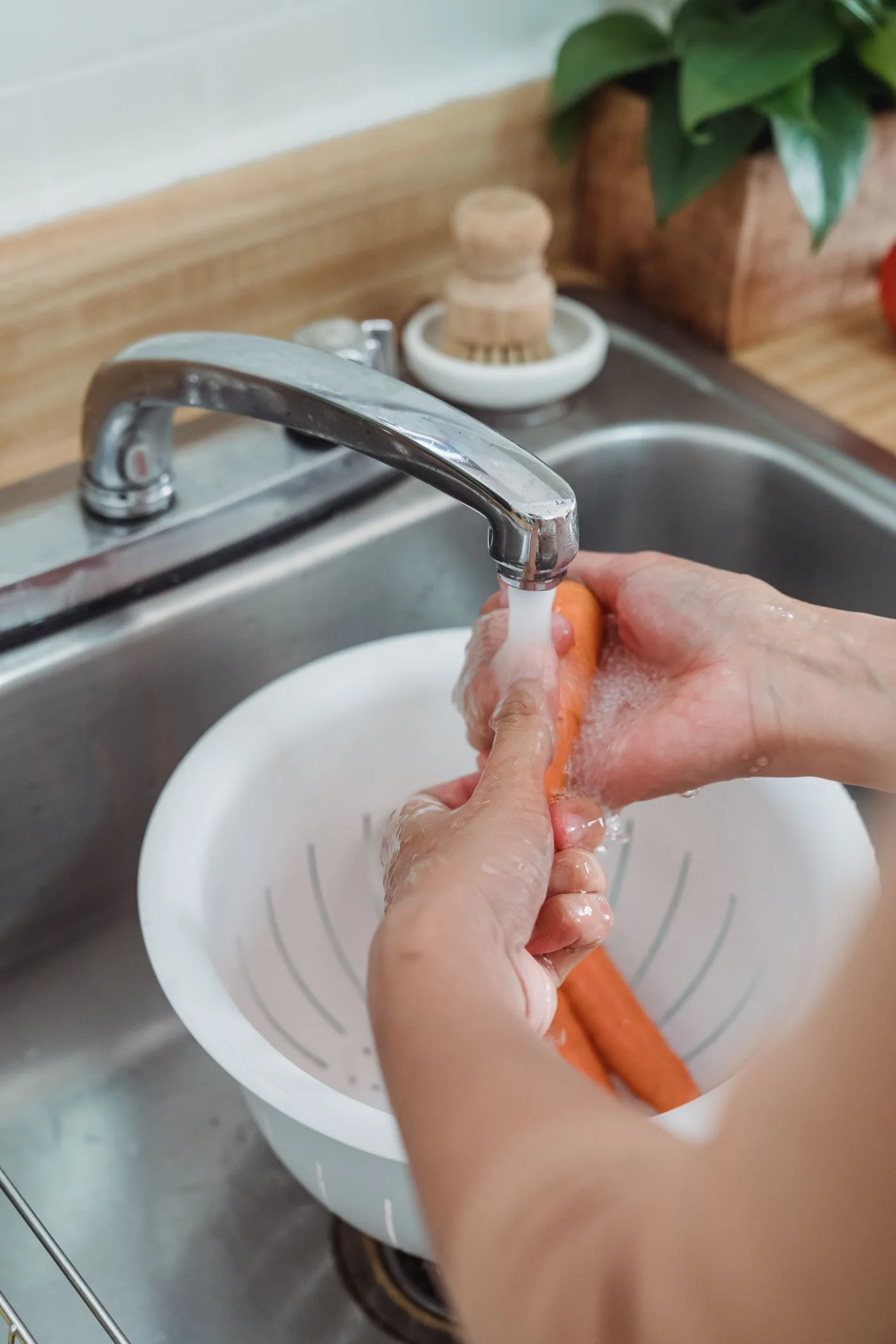
A colander seems like a small addition to a travel kitchen until it has to fit the sink, cupboard, shopping load, and journey home. Before buying one for an apartment stay, establish the cooking task you need to complete and whether the supplied equipment already provides an appropriate way to do it.
Define the actual draining task
Start with the food you intend to prepare and the recipe's requirements. Draining a small portion of washed produce and handling hot pasta may need different equipment and precautions. Choose an item designed for the intended use, with clear material and care information. Do not substitute a decorative basket or an unsuitable container because its holes look convenient.
Look through the apartment's supplied kitchen items and ask the host if necessary. A suitable colander may be stored away from the obvious cupboard. If an advertised essential is missing, give the host a chance to solve the problem before purchasing something that may duplicate their equipment.
Check the sink as a working space
Consider the complete dimensions, including handles, feet, and any support arms. A bowl that fits inside the sink can still leave little room for the task. An over-sink design needs compatible support and appropriate use according to its instructions; a photograph alone cannot establish that it will sit securely on your particular sink.
Keep hot-liquid handling within safe cooking practice and the product's intended design. If the setup feels uncertain, choose a different meal or appropriate equipment rather than improvising a precarious drain. Temporary accommodation often offers less familiar work surfaces and positions than your own kitchen.
Include cleaning and storage
Read whether the product is suitable for the cleaning method available. A folding design may save cupboard space but include joints or shapes that require particular care. Choose based on the whole task, not only the compact appearance in a retailer image.
Our shared apartment routine guide helps give cleaning and returning equipment a clear owner. Decide where the clean item can dry appropriately and where it will stay without blocking access to supplied cookware. A new purchase should not make the kitchen harder to use.
Decide where ownership ends
If you buy a colander, determine whether you will carry it onward, take it home, or arrange an accepted handover. Ask the host before leaving purchased equipment in the apartment. A good-quality item can still be unwanted if it does not suit their kitchen or care routine.
The Florence apartment-stay guide helps keep self-catering plans proportionate to the trip. A different simple recipe can be a better answer than adding a bulky object for one meal.
Is a collapsible model always better for travel? No. It must still suit the food, temperature, support, cleaning method, and actual space. Compare the complete practical use with the existing alternatives. Buy only when the colander resolves a real repeated task and its return route makes sense.
TAKE THE NEXT STEP
Useful resources & shopping
Check current availability, specifications and conditions directly. These are untracked editorial links; inclusion does not imply a partnership.
Sources & editorial notes
Official resources checked 2026-10-15. Rules and availability can change; confirm before booking. Last updated: 2024-10-12. This guide does not claim a personal visit or hands-on product test.
Have a correction? Contact the editorial team.