Travel Essentials
Choose a Familiar Book for a Long Transfer
Choose a reread for a long transfer through the attention and space you expect to have, allowing a familiar book to be a deliberate choice rather than a fallback.

In this guide
A familiar book can be a deliberate choice for a long transfer. You may want language or characters you already know, a chapter you can return to easily or a subject that does not demand a completely new beginning. Choose the reread through the attention and space you expect to have. Familiarity does not make the book a lesser travel companion than something newly purchased for the journey.
Decide what kind of reading fits the transfer
Think about the actual setting and the tasks that remain yours to manage. A journey with several changes may allow only brief reading periods. A longer settled stretch may leave room for more sustained attention. Do not plan as though every minute of transit will be available for a book.
Keep necessary announcements, instructions and responsibilities in view. Reading is optional during travel. Adults responsible for children or others in their care should choose through those responsibilities rather than treating a long route as guaranteed private reading time.
Choose the useful part of familiarity
Ask why this book appeals now. You may enjoy returning to a particular section, noticing details missed before or spending time with a familiar voice. That is more informative than packing the book simply because it has always lived near the door.
You do not have to begin at the first page when the book's structure and your purpose allow another approach. Choose a clear section and keep enough context to understand it. For a narrative, avoid turning the reread into a test of how much you remember. You can rediscover a detail without needing to prove you knew it already.
Consider the copy you will carry
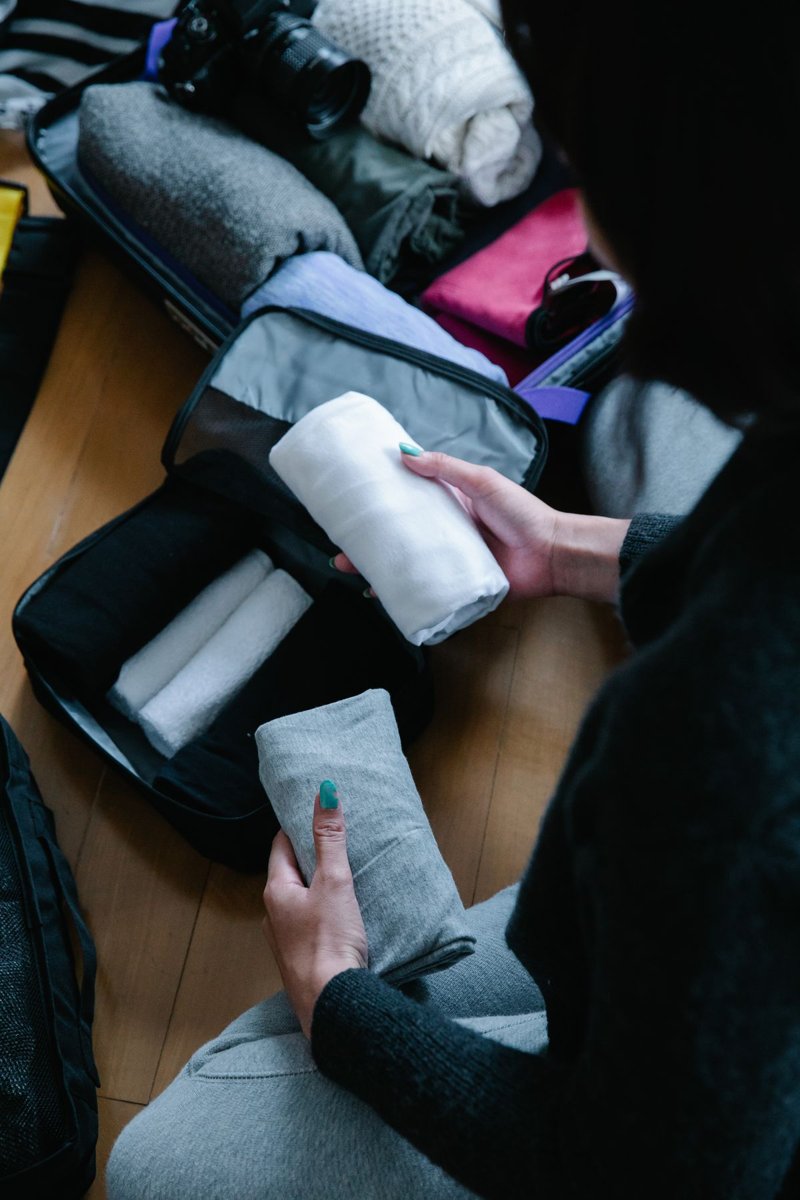
Use a format you can handle appropriately within the actual luggage and journey arrangements. A favourite physical copy may have qualities you value, while another legitimate format may suit the available space. Keep the decision personal rather than assuming that one format is always best for travel.
If the copy is borrowed, follow the borrowing arrangement and keep it identifiable. The family book return guide helps distinguish a reading choice from the separate responsibility of returning the actual book.
Give the pause a clear return point
Use a suitable marker and leave the book where it belongs when you need to attend to the journey. Avoid balancing it on a shared edge or leaving it in a seat pocket without an understood retrieval step. The seated daypack retrieval guide can help you judge whether the bag arrangement is genuinely manageable.
If the transfer is too busy for reading, keep the book packed and let the plan change. Choosing it was still reasonable through the information you had. You do not need to finish a chapter to justify carrying something familiar.
At the end, retain a small note only if you want to remember what the reread brought back or changed. The book can simply have accompanied the journey. A deliberate reread succeeds when it suits your interest and the actual travel conditions, not when it meets an imagined standard of making every transfer productive.
TAKE THE NEXT STEP
Useful resources & shopping
Check current availability, specifications and conditions directly. These are untracked editorial links; inclusion does not imply a partnership.
Sources & editorial notes
Official resources checked 2026-10-28. Rules and availability can change; confirm before booking. Last updated: 2022-02-12. This guide does not claim a personal visit or hands-on product test.
Have a correction? Contact the editorial team.